What You Need to Know About Custom Stuffed Toy Safety
When developing custom plush toys for children, retail, promotional campaigns, or international markets, product safety should be one of the most important considerations. A well-designed stuffed toy needs to look attractive and feel soft, but it also needs to be manufactured with appropriate materials, construction methods, and quality control procedures.
For brands, retailers, wholesalers, distributors, and international buyers, understanding What You Need to Know About Custom Stuffed Toy Safety can help reduce potential production problems and create products that are more suitable for their intended market.
Custom stuffed toys can be designed in many different forms, including teddy bears, animal characters, mascots, dolls, promotional plush toys, and branded stuffed products. Because every custom product has different materials, dimensions, accessories, and intended uses, safety requirements should be considered from the beginning of the product development process.
This article explains the main safety considerations businesses should discuss with a professional plush toy manufacturer before placing a custom or bulk order.
Why Is Custom Stuffed Toy Safety Important?
Safety is an important part of plush toy manufacturing, especially when products are designed for children.
A stuffed toy may contain many different components, including:
- Plush fabric
- Thread
- Stuffing
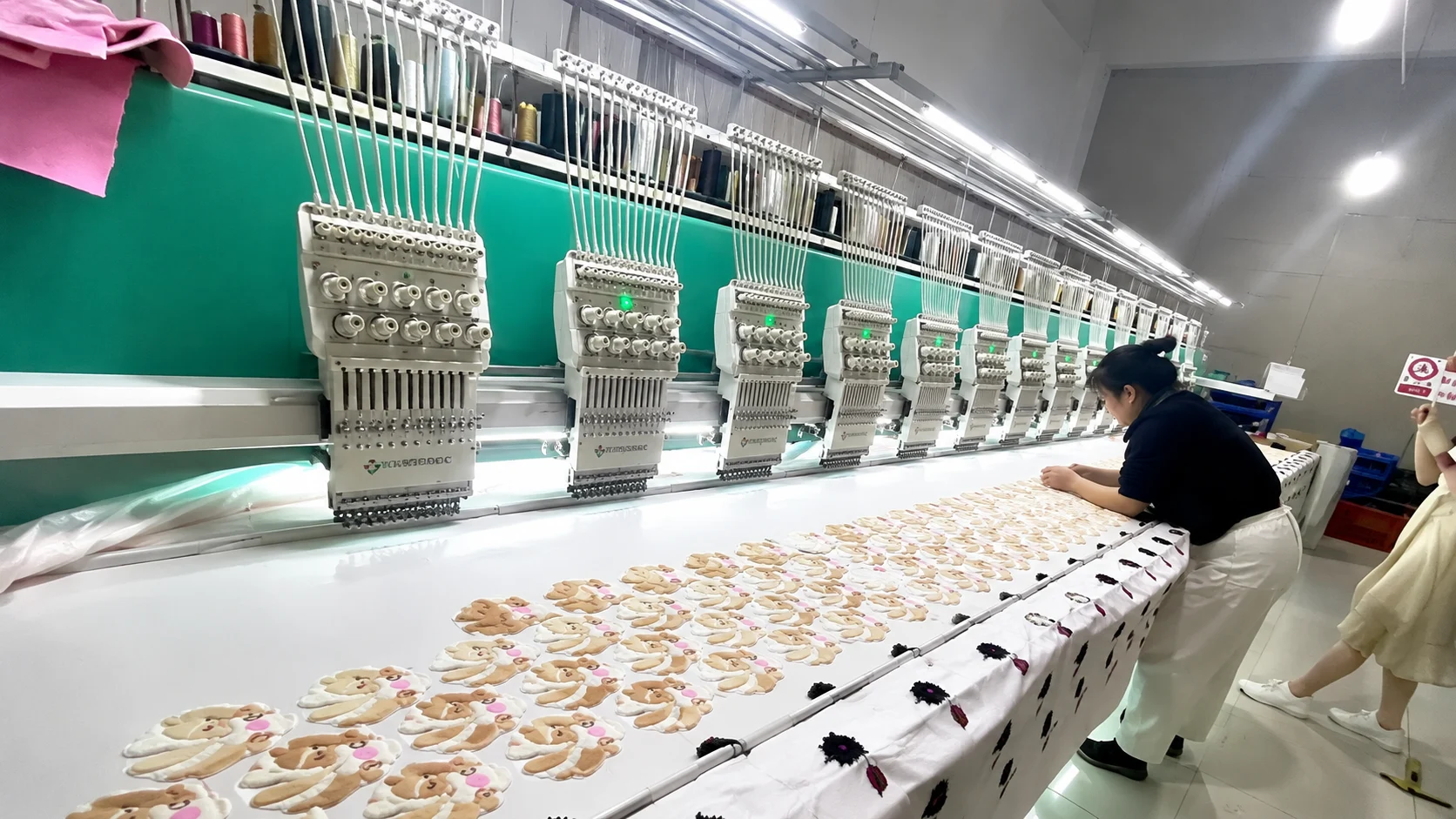
- Embroidery
- Labels
- Clothing
- Buttons
- Accessories
- Plastic components
- Decorative elements
Each component needs to be considered during product development.
For example, a custom teddy bear with embroidered facial features has different considerations from a plush toy containing plastic eyes, buttons, or detachable accessories.
A professional manufacturer should evaluate the complete product rather than focusing only on the outer fabric.
Understanding What You Need to Know About Custom Stuffed Toy Safety before production begins can help businesses make better decisions about materials, construction, testing, packaging, and labeling.
1. Choose Appropriate Materials
Material selection is one of the first things to consider when developing a custom stuffed toy.
The fabric forms the exterior surface of the product, while the stuffing provides its shape and softness.
Common materials used in plush toy manufacturing may include different types of polyester plush fabrics, fleece, Minky-style fabrics, Velboa, and other textiles.
When selecting materials, businesses should consider:
- Intended age group
- Product application
- Fabric quality
- Durability
- Color consistency
- Product specifications
- Destination market
- Applicable safety requirements
If a product is intended specifically for children, material selection should be discussed carefully with the manufacturer and evaluated according to the requirements of the target market.
For international buyers, it is particularly important to communicate the destination country or region before production because applicable requirements can vary between markets.
2. Pay Attention to Stuffing Materials
Stuffing is another important part of stuffed toy safety.
The filling gives the plush toy its shape and determines how soft or firm it feels.
The stuffing should be distributed properly throughout the product to maintain its intended shape.
During production, manufacturers should also pay attention to the construction of seams and openings so that the filling remains securely inside the toy.
For businesses ordering custom plush toys in bulk, the stuffing should be consistent across the production batch.
This helps ensure that the finished products have similar:
- Weight
- Shape
- Firmness
- Appearance
- Softness
A professional custom plush toy manufacturer can discuss suitable filling materials and construction methods according to the product design.
3. Strong and Secure Stitching
Stitching is a fundamental part of plush toy construction.
A stuffed toy is repeatedly handled, squeezed, carried, and sometimes washed. Weak seams can affect the product’s durability and may cause the toy to open during use.
Manufacturers should pay attention to:
- Seam strength
- Stitch density
- Thread quality
- Seam placement
- Reinforcement
- Final finishing
Custom designs with unusual shapes or multiple components may require additional attention during sewing.
Before mass production, customers should inspect the prototype to confirm that the construction matches their expectations.
4. Embroidery Can Be an Alternative to Small Decorative Parts
Custom stuffed toys often need facial features, logos, names, or decorative details.
These elements can be created using embroidery instead of certain small attached components.
Embroidery can be used for:
- Eyes
- Mouths
- Logos
- Names
- Symbols
- Character details
One advantage of embroidery is that the design becomes integrated into the fabric rather than relying on a separate detachable component.
However, the suitability of embroidery depends on the product design and intended application.
For branded products, an experienced custom teddy bear manufacturer can help determine suitable embroidery size, placement, thread colors, and design details.
5. Be Careful With Small Parts
Small components require particular attention when developing children’s plush toys.
Examples can include:
- Buttons
- Plastic eyes
- Beads
- Decorative pieces
- Small accessories
- Detachable clothing components
Depending on the intended age group and destination market, small components may be subject to specific requirements.
Businesses should therefore tell the manufacturer whether the product is intended for children and what age range it is designed for.
If a design contains potentially detachable elements, the manufacturer should evaluate how they are attached and whether an alternative construction method is more appropriate.
For some designs, embroidered details may be considered instead of separate small components.
6. Secure Accessories and Clothing
Custom teddy bears and character plush toys often include clothing and accessories.
Examples include:
- T-shirts
- Hats
- Scarves
- Jackets
- Bags
- Shoes
- Ribbons
- Character costumes
These additional components should be securely attached when required by the product design.
If accessories are removable, the manufacturer and buyer should consider whether the product’s intended age group and market create additional requirements.
This is particularly important for products intended for young children.
A professional manufacturer should review the complete product rather than treating clothing and accessories as separate from the main plush toy.
7. Consider Colorants and Printed Designs
Custom plush toys often use multiple colors to reproduce a brand or character accurately.
Fabric colors, printed graphics, and other decorative elements should be selected with the target market and applicable product requirements in mind.
International buyers should communicate any specific material or color requirements to the factory before production.
A professional plush toy manufacturer Vietnam can help customers review available materials and production options based on the intended application.
8. Product Labels and Identification
Labels are another important consideration for commercial plush toys.
Depending on the destination market and product category, labeling requirements may include information such as:
- Manufacturer information
- Product identification
- Material information
- Care instructions
- Country of origin
- Age grading
- Warning information
The exact requirements vary depending on the market and intended use.
For this reason, international buyers should confirm the applicable labeling requirements for their destination market before finalizing production.
The manufacturer can then incorporate the required labels into the product or packaging.
9. Age Grading
Not every plush toy is designed for the same age group.
A product intended for a baby or young child may have different safety considerations from a decorative plush product designed for adults.
Businesses should clearly define the intended age range during the design and production stages.
For example, a plush toy designed as a children’s toy may need to be evaluated differently from:
- Adult collectibles
- Corporate gifts
- Decorative plush products
- Event mascots
- Promotional display items
Age grading should therefore be considered before the final product design is approved.
10. Product Testing and Compliance
One of the most important aspects of What You Need to Know About Custom Stuffed Toy Safety is product testing.
Depending on the destination market, children’s toys may be subject to specific safety standards, testing requirements, labeling rules, and documentation.
The exact requirements can vary depending on where the products will be sold.
For example, requirements applicable to products sold in the United States may differ from requirements applicable to products sold in the European Union or other markets.
International buyers should therefore identify the destination market before production and discuss applicable testing requirements with their manufacturer or testing provider.
A manufacturer should not assume that one safety standard automatically applies to every country.
11. Quality Control During Production
Quality control is essential for maintaining consistency in bulk stuffed toy production.
A professional factory should inspect products throughout different stages of manufacturing.
Quality checks may include:
Fabric Inspection
Checking for visible defects, color differences, or material inconsistencies.
Sewing Inspection
Checking seams, stitching, thread, and construction.
Embroidery Inspection
Checking logo accuracy, thread quality, position, and appearance.
Stuffing Inspection
Checking shape, filling distribution, and overall firmness.
Accessory Inspection
Checking whether additional components are properly attached.
Final Product Inspection
Checking the finished product against the approved sample and specifications.
For international wholesale orders, consistent quality is particularly important because hundreds or thousands of products may be manufactured in a single batch.
12. Create and Approve a Product Sample
Before starting bulk production, businesses should consider developing a physical sample.
A sample provides an opportunity to evaluate:
- Product size
- Shape
- Fabric
- Color
- Stitching
- Embroidery
- Stuffing
- Accessories
- Packaging
The customer can then request adjustments before mass production begins.
For international buyers, sample approval can be especially useful because it establishes a physical reference for the factory.
Once approved, the sample can be used as a reference during bulk production and quality inspection.
13. Packaging and Safety Information
Packaging is not only about appearance.
For children’s products, packaging may also need to communicate important information depending on the destination market and product category.
Possible information can include:
- Product identification
- Age information
- Warnings
- Care instructions
- Manufacturer information
- Importer information
- Material information
The exact requirements depend on the destination market.
Businesses should therefore determine their packaging and labeling requirements before production begins.
Custom Stuffed Toy Safety for International Buyers
International buyers need to consider safety from both a product-development and market-entry perspective.
Before placing an export order, buyers should communicate:
- Destination country
- Intended age group
- Product application
- Product specifications
- Materials
- Accessories
- Packaging requirements
- Labeling requirements
- Testing requirements
Providing this information early allows the manufacturer to understand the project’s requirements.
For businesses working with a custom plush toy manufacturer, early communication can also help prevent unnecessary design changes later in the production process.
Custom Stuffed Toy Safety for Wholesale Orders
Wholesale buyers often order large quantities, which makes quality consistency particularly important.
A manufacturer should maintain consistent specifications throughout the production run.
For example, every teddy bear should have consistent:
- Dimensions
- Fabric
- Color
- Stitching
- Stuffing
- Embroidery
- Accessories
- Packaging
A clear approved sample and production specification can help the factory maintain consistency.
For large orders, buyers may also consider arranging third-party inspection or testing where appropriate for their market and product category.
Safety Considerations for Promotional Plush Toys
Not every promotional plush product is intended to be a children’s toy.
Some businesses use plush products as:
- Corporate gifts
- Event decorations
- Brand displays
- Adult collectibles
- Promotional merchandise
- Mascot products
The intended use and target audience should be clearly defined.
A promotional teddy bear given to adults at a corporate event may have a different intended use from a plush toy specifically marketed as a children’s toy.
This distinction can affect how the product should be designed, labeled, tested, and marketed.
Businesses should discuss the intended application with their manufacturer before production.
Custom Mascot Safety Considerations
Mascot plush toys can contain complex shapes, accessories, embroidered details, and custom clothing.
For these products, manufacturers need to consider the entire construction rather than just the basic plush body.
A custom mascot manufacturer can review:
- Character shape
- Fabric selection
- Stitching
- Embroidery
- Accessories
- Clothing
- Attachment points
- Packaging
For children’s mascot plush toys, additional attention may be necessary depending on the destination market and intended age group.
Choosing a Reliable Custom Stuffed Toy Manufacturer
The choice of manufacturer can have a major influence on the quality and consistency of a custom plush product.
When selecting a supplier, businesses should consider:
- Manufacturing experience
- Material sourcing
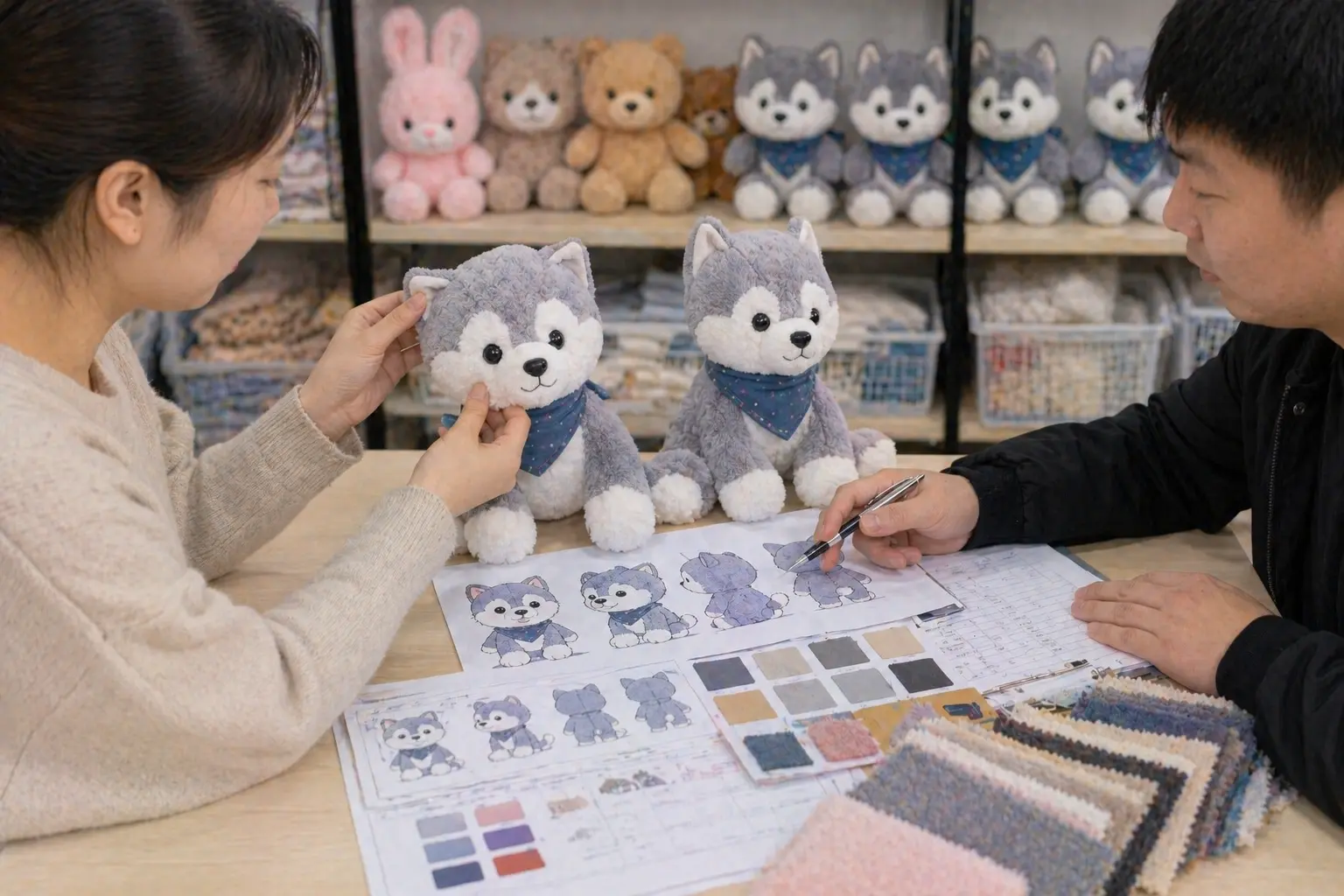
- Sample development
- Production capabilities
- Quality control
- Customization options
- Packaging
- Export experience
- Communication
A professional manufacturer should be willing to discuss product specifications and help customers identify potential manufacturing issues before production.
For international buyers, a manufacturer with experience handling export orders can also make communication and production coordination easier.
Why Work With a Professional Plush Toy Factory?
A professional factory can provide support throughout the entire manufacturing process.
This can include:
- Design review
- Material selection
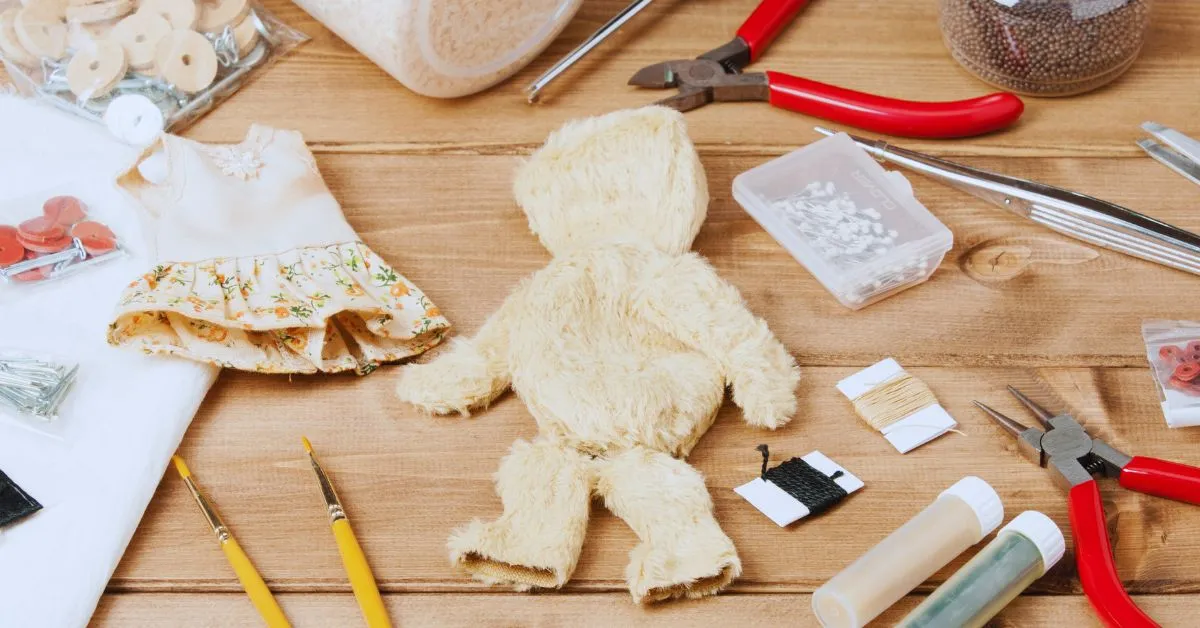
- Pattern development
- Sample production
- Embroidery
- Sewing
- Stuffing
- Assembly
- Quality inspection
- Packaging
- Bulk production
- Export preparation
Having these processes managed by one manufacturing partner can simplify product development for businesses.
It can also help ensure that the final product remains consistent with the approved specifications.
What Should You Ask a Manufacturer Before Ordering?
Before placing a custom stuffed toy order, international buyers can ask the manufacturer several important questions.
For example:
- What materials will be used?
- Can you provide a physical sample?
- How is quality control performed?
- Can the logo be embroidered?
- How are small components secured?
- What packaging options are available?
- Can you support bulk production?
- What information do you need for export orders?
- What testing or documentation is available?
- Can you manufacture according to my destination market requirements?
Clear communication at this stage can help both the customer and manufacturer understand the project.
Custom Stuffed Toy Safety and Product Development
Safety should not be treated as a final inspection step. It should be considered throughout product development.
When designing a custom plush toy, businesses should think about safety at every stage:
Design → Material Selection → Prototype → Testing → Bulk Production → Quality Control → Packaging
This approach makes it easier to identify potential issues before large quantities are manufactured.
For international brands, early planning is particularly valuable because changes made after bulk production begins can be expensive and time-consuming.
Our Custom Plush Toy Manufacturing Services
Our factory provides customized plush toy manufacturing solutions for businesses, brands, retailers, promotional agencies, distributors, and international buyers.
Our product capabilities can include:
- Custom stuffed toys
- Custom teddy bears
- Mascot plush toys
- Promotional plush products
- Embroidered plush toys
- Branded stuffed animals
- OEM plush toys
- ODM plush toys
- Wholesale plush production
Customers can provide their own designs, logos, reference images, sizes, materials, and production requirements.
Our team can review the project and discuss suitable materials, construction methods, customization options, packaging, and production requirements.
For international customers, we can also discuss export-oriented product specifications based on the intended market.
Conclusion
Understanding What You Need to Know About Custom Stuffed Toy Safety is essential for businesses developing plush toys for children, retail, promotional campaigns, and international markets.
Safety considerations can include material selection, stuffing, stitching, embroidery, small components, accessories, labeling, age grading, testing, packaging, and quality control.
The exact requirements depend on the product and destination market, so businesses should identify their target market and intended use before beginning production.
Working with an experienced custom plush toy manufacturer can help businesses address these considerations during the design and manufacturing process rather than waiting until the final stage.
If you are planning to manufacture custom teddy bears, promotional plush toys, mascots, or other stuffed products for wholesale or export, send your design, product specifications, estimated quantity, and destination market to our factory. Our team can discuss suitable manufacturing solutions for your project.