Plush Toy Manufacturing Process: From Design to Finished Product
The Plush Toy Manufacturing Process is a detailed production journey that transforms an idea, character, or design concept into a finished plush toy. For brands, retailers, promotional agencies, event organizers, and international distributors, understanding how plush toys are manufactured is important when choosing a reliable manufacturing partner.
A professional plush toy factory needs to manage multiple stages, including product design, material selection, pattern development, cutting, sewing, stuffing, embroidery, assembly, quality control, and packaging. Each stage can influence the appearance, durability, safety, and overall quality of the final product.
For international customers looking for a custom plush toy manufacturer in Vietnam, a well-organized production process is especially important. A reliable factory should be able to communicate clearly, follow approved specifications, maintain consistent quality, and handle bulk production for export markets.
Our factory follows a structured approach to customized plush toy production, allowing customers to develop products based on their own characters, logos, mascots, designs, sizes, and material requirements.
What Is the Plush Toy Manufacturing Process?
The plush toy manufacturing process refers to the series of steps used to produce stuffed toys from an initial design to a completed product.
While the exact process can vary depending on the product, a typical production workflow includes:
- Product concept and design
- Sample development
- Material selection
- Pattern making
- Fabric cutting
- Embroidery and decorative details
- Sewing and assembly
- Stuffing
- Shaping and finishing
- Quality inspection
- Packaging
- Bulk production and shipping
Each stage has a specific purpose. When these stages are properly coordinated, manufacturers can produce plush toys with consistent shapes, colors, details, and finishing.
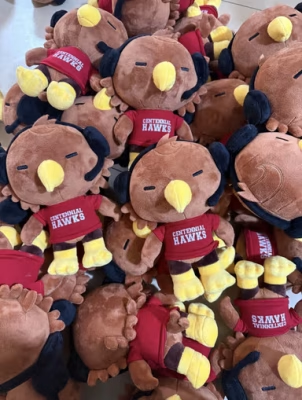
1. Product Concept and Design
The first step in the Plush Toy Manufacturing Process is developing the product concept.
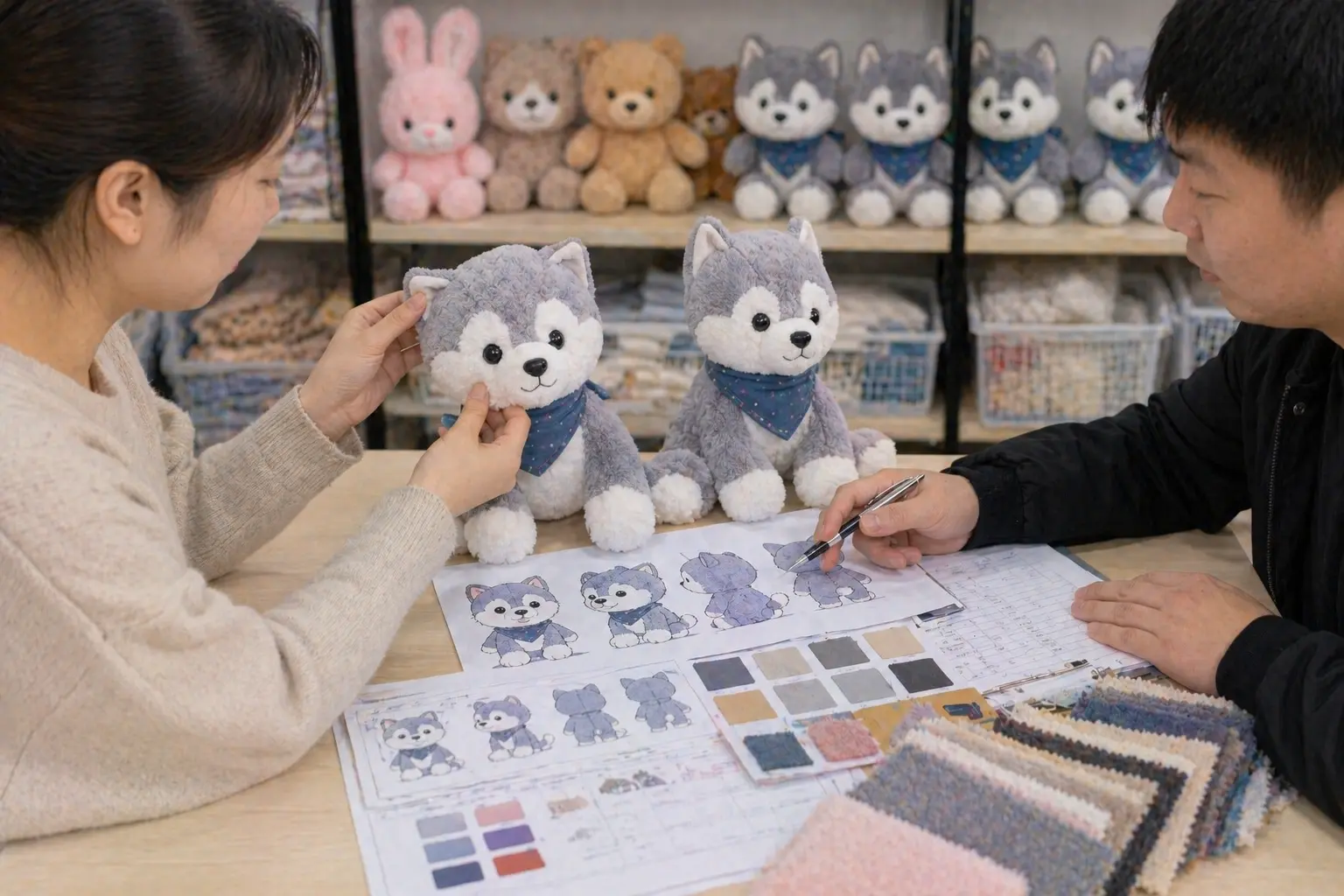
Customers may already have a complete character design, mascot illustration, logo, or product specification. In other cases, they may only have a basic idea that needs to be developed into a manufacturable plush toy.
A customer can provide:
- Character illustrations
- Front, side, and back views
- Logo files
- Preferred colors
- Product dimensions
- Reference images
- Material preferences
- Embroidery requirements
- Packaging specifications
The manufacturing team reviews these details to understand the product requirements.
A well-prepared design can make the development process more efficient because the factory has clearer information about the intended shape, proportions, colors, and decorative elements.
2. Developing a Prototype or Sample
Before producing a large quantity, a sample is normally developed for customized plush toys.
The sample allows the customer and manufacturer to evaluate the physical appearance of the product. This is an important stage because a two-dimensional illustration can look different when converted into a three-dimensional plush toy.
During sample development, manufacturers may review:
- Overall shape
- Proportions
- Size
- Fabric
- Colors
- Facial features
- Embroidery
- Accessories
- Stuffing level
- Stitching
- Product details
Customers can provide feedback and request adjustments before bulk production begins.
This stage helps reduce potential production problems and gives international buyers a clearer understanding of what their finished products will look like.
3. Selecting Materials
Material selection is another important part of the Plush Toy Manufacturing Process.
Different plush toys may require different fabrics depending on their appearance, texture, size, and intended use.
Common materials used in plush toy production can include plush fabric, polyester fabric, cotton-based materials, felt, and other textile components.
The choice of fabric can affect:
- Softness
- Appearance
- Color
- Durability
- Texture
- Ease of sewing
- Overall product cost
For customized products, the manufacturer should select materials that are appropriate for the design and production requirements.
International customers can also discuss specific material preferences with the factory during the product development stage.
4. Creating the Plush Toy Pattern
After the design and material requirements are confirmed, the product pattern is developed.
A plush toy pattern is essentially the template used to create the individual fabric pieces that form the final product.
For example, a character may require separate patterns for:
- Head
- Body
- Arms
- Legs
- Ears
- Tail
- Clothing
- Accessories
The accuracy of these patterns is important because they determine the final proportions and shape of the plush toy.
Experienced production teams carefully develop and adjust patterns to achieve the desired appearance while making sure the pieces can be efficiently manufactured.
5. Cutting the Fabric
Once the patterns are ready, fabric is prepared and cut according to the required shapes.
The fabric pieces must be cut accurately because incorrect dimensions can affect the assembly process.
For bulk production, organized cutting procedures are particularly important. A large order may involve hundreds or thousands of identical pieces, so maintaining consistency throughout the cutting stage can help improve production efficiency.
The fabric pieces are then organized according to the corresponding sections of the product.
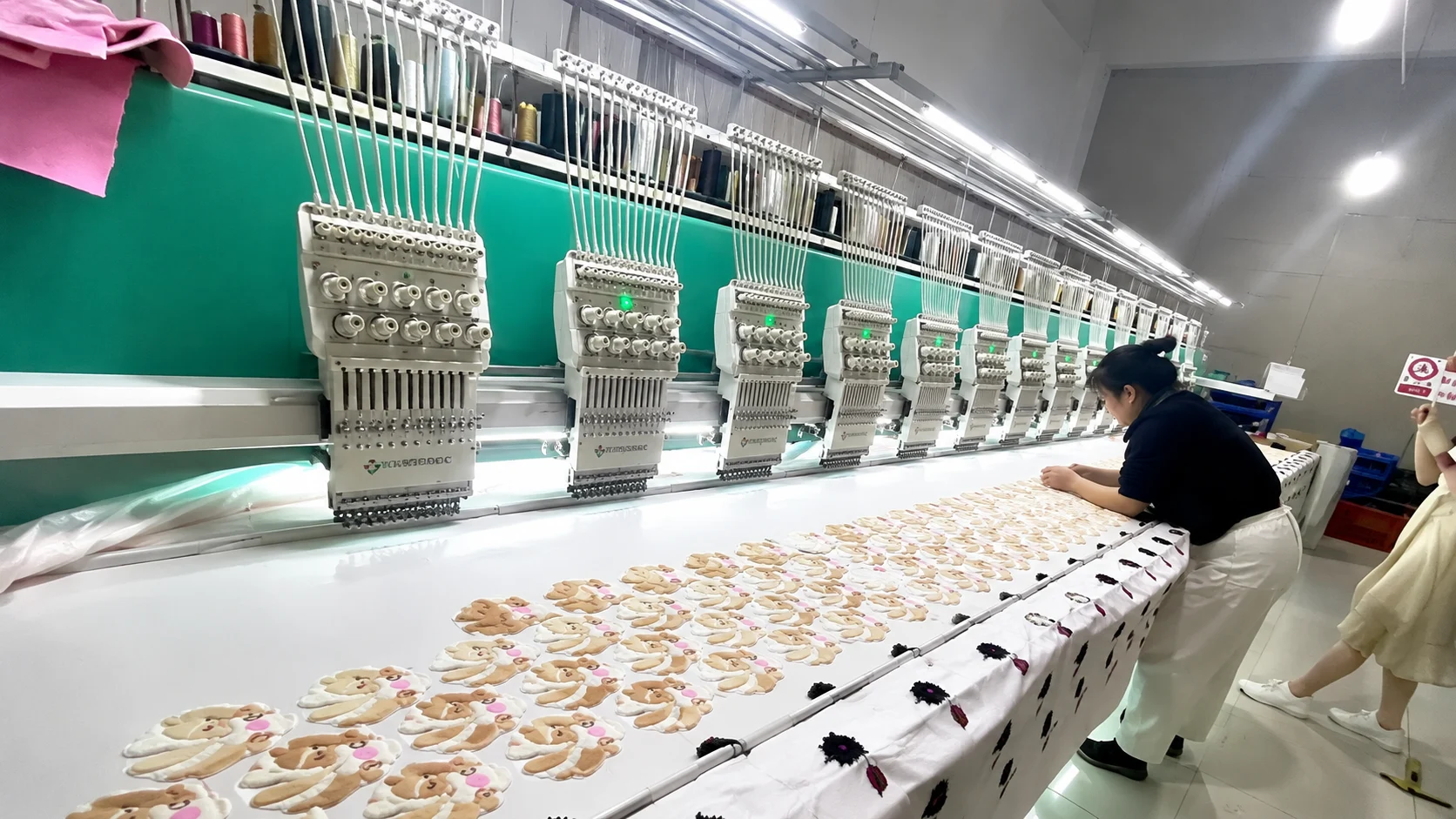
6. Embroidery and Decorative Details
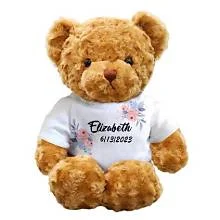
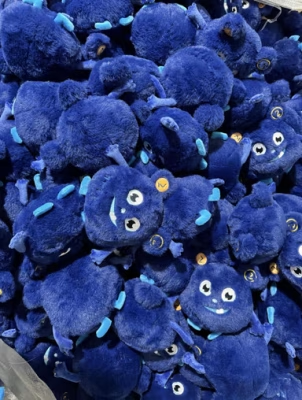
Many custom plush toys contain embroidered facial features, logos, names, symbols, or other decorative elements.
Embroidery can be completed before or during the assembly process depending on the product design.
For example, a plush character may require embroidered eyes, a mouth, brand logo, or other small details.
Using suitable embroidery equipment can help manufacturers reproduce the same design across multiple products.
This is particularly important for corporate promotional products and branded plush toys where logo accuracy and consistency are essential.
7. Sewing and Assembly
After the fabric components are prepared, they are sewn together to create the main structure of the plush toy.
Different pieces are carefully joined according to the approved pattern.
During this stage, production workers need to pay attention to:
- Stitching quality
- Seam positioning
- Product proportions
- Fabric alignment
- Decorative details
- Overall shape
The sewing process gradually transforms separate fabric pieces into a recognizable three-dimensional product.
For customized plush toys, this stage requires careful attention because unique character shapes may require specialized sewing techniques.
8. Stuffing the Plush Toy
Once the main fabric structure has been sewn, the product is filled with stuffing material.
The amount and distribution of stuffing can significantly affect the final appearance and softness of the plush toy.
Too little stuffing may cause the product to appear flat or lose its intended shape. Too much stuffing can make the toy excessively firm and may affect its proportions.
Therefore, the stuffing process needs to be controlled according to the approved sample.
For larger plush toys, the production team may need to distribute the filling carefully across different areas to maintain a balanced shape.
9. Shaping and Finishing
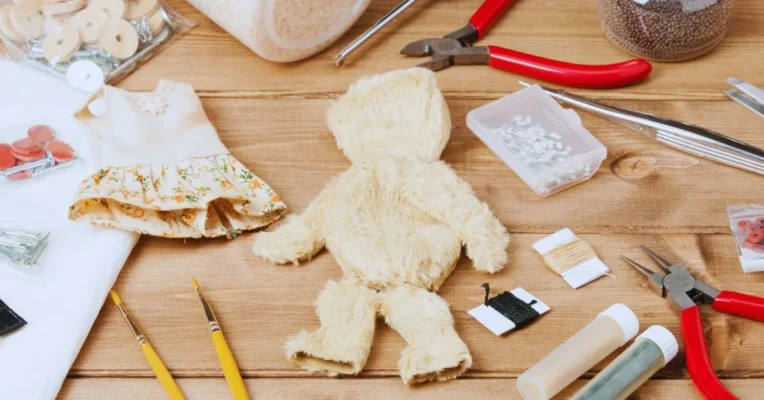
After stuffing, the plush toy is shaped and finished.
Workers inspect the product to make sure the head, body, arms, legs, and other components are positioned correctly.
Loose threads may be trimmed, seams may be checked, and small imperfections can be corrected.
Additional components such as clothing, accessories, labels, or decorative elements may also be attached during this stage.
The objective is to make the finished product visually consistent with the approved sample.
10. Quality Control
Quality control is one of the most important stages of the Plush Toy Manufacturing Process.
For bulk and export orders, quality consistency is particularly important because customers may receive a large quantity of products at one time.
Quality inspection can include checking:
- Product dimensions
- Shape and proportions
- Fabric quality
- Stitching
- Embroidery
- Colors
- Stuffing
- Accessories
- Loose threads
- Surface appearance
- Overall finishing
Products that do not meet the required specifications can be identified before packaging and shipment.
A structured quality control process helps manufacturers maintain consistency and reduce potential problems for international customers.
11. Packaging
After quality inspection, finished plush toys are prepared for packaging.
Packaging requirements can vary depending on the customer’s market and sales channel.
Customers may request:
- Individual plastic bags
- Custom packaging
- Printed boxes
- Hang tags
- Product labels
- Brand tags
- Bulk cartons
- Customized shipping marks
For export orders, packaging also needs to be organized carefully so that products can be transported efficiently.
The factory can discuss packaging requirements with customers before production to ensure that the final products are prepared according to the intended sales and shipping method.
12. Bulk Production and Export
After the sample has been approved and production specifications are confirmed, the factory can proceed with bulk manufacturing.
The production team follows the approved sample and specifications throughout the order.
For international customers, bulk production may be followed by preparation for export shipping. Products are packed into cartons according to the agreed requirements and prepared for transportation.
A reliable manufacturing partner should communicate important production information clearly, including order specifications, production progress, packaging requirements, and shipping arrangements.
Why the Manufacturing Process Matters for International Buyers
Understanding the Plush Toy Manufacturing Process can help international buyers evaluate potential suppliers.
A professional factory should be able to explain how products are developed, manufactured, inspected, and prepared for shipment.
This transparency is especially useful when customers are ordering customized products from overseas.
International buyers may want to consider several factors when selecting a supplier:
- Manufacturing experience
- Product customization capabilities
- Production equipment
- Material options
- Quality control
- Bulk production capacity
- Communication
- Packaging capabilities
- Export experience
- Lead time
A factory that can clearly explain its production process may provide greater confidence to customers before placing an order.
Custom Plush Toy Manufacturing for Brands
Custom plush toys can be used by many types of businesses and organizations.
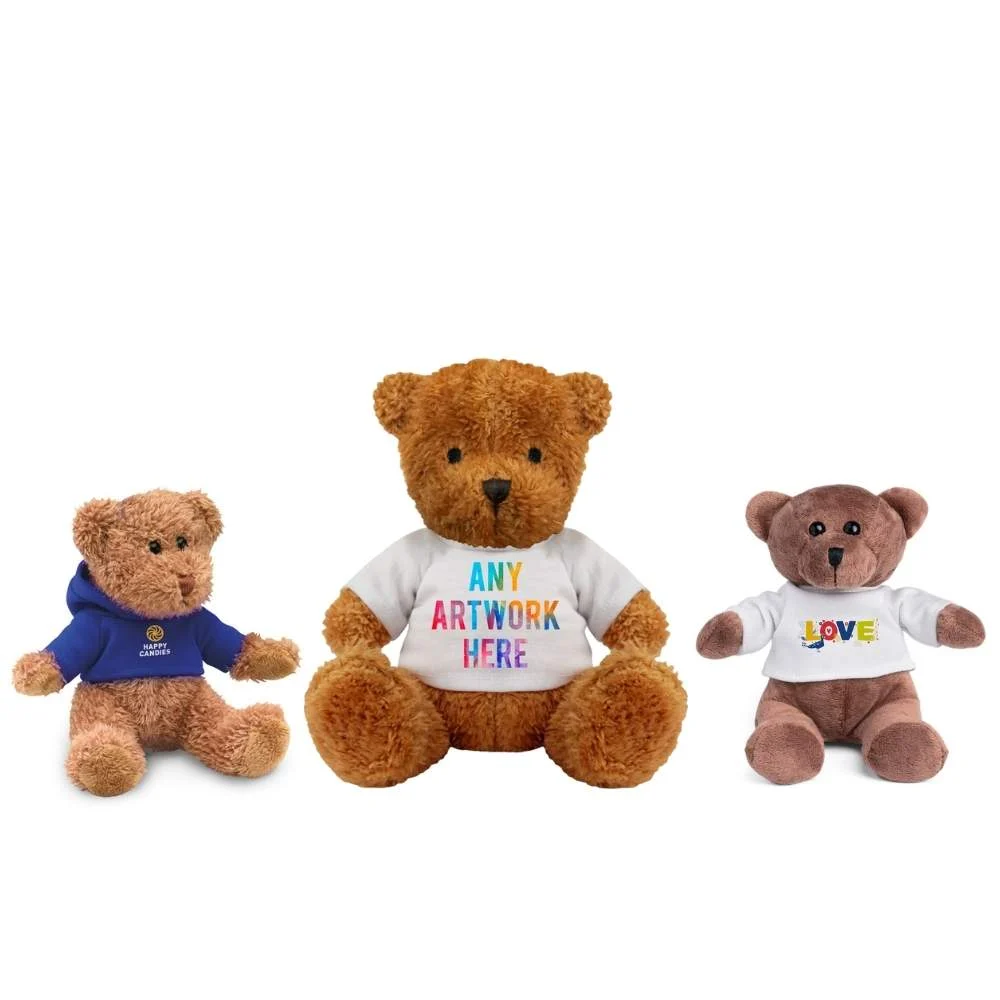
Brands can develop plush versions of their characters or mascots. Companies can create promotional gifts featuring their logos. Retailers can manufacture original plush products for their stores. Event organizers can produce customized merchandise for campaigns and special occasions.
For these applications, the product needs to accurately represent the customer’s brand identity.
A professional factory can help transform digital artwork into a physical plush product while maintaining important design characteristics such as colors, facial expressions, proportions, and logos.
OEM and ODM Plush Toy Production
OEM and ODM services are also important for international buyers.
With OEM manufacturing, customers can provide their own product designs and specifications for the factory to manufacture.
With ODM manufacturing, customers can work with the manufacturer to develop products based on their market requirements.
Both approaches can be suitable for businesses looking to introduce customized plush products without establishing their own manufacturing facilities.
Our factory can support customized production according to the specific requirements of each project.
Benefits of Working With a Vietnam Plush Toy Manufacturer
Vietnam is an attractive manufacturing location for businesses seeking customized products for international markets.
A local manufacturing partner can provide direct communication with the production team and allow customers to discuss product specifications, samples, materials, quantities, and packaging.
For businesses ordering customized plush toys, working directly with a factory can also make it easier to coordinate product development and bulk production.
Our goal is to provide international customers with a complete manufacturing solution, from initial design consultation to finished product preparation.
Conclusion
The Plush Toy Manufacturing Process involves many carefully coordinated stages, from product design and material selection to pattern making, cutting, embroidery, sewing, stuffing, finishing, quality inspection, packaging, and export preparation.
Every stage contributes to the final appearance and quality of the finished plush toy. For international buyers, choosing a manufacturer with an organized production process can help ensure better consistency and more reliable bulk orders.
Our factory provides customized plush toy manufacturing services for brands, businesses, promotional agencies, retailers, event organizers, and international distributors. Whether you need a small customized character, a branded promotional plush toy, or a large-volume OEM order, our team can work with your specifications and production requirements.
If you are looking for a custom plush toy manufacturer in Vietnam, contact our team with your design, product concept, required quantity, and specifications. We can discuss the manufacturing process and help develop a suitable solution for your international market.