How to Choose Plush Fabric: Types, Images, and Applications
Choosing the right material is one of the most important steps when developing a custom plush toy, teddy bear, mascot, or promotional stuffed product. The fabric affects the product’s appearance, softness, durability, sewing process, embroidery quality, and overall manufacturing cost.
For brands, retailers, wholesalers, promotional agencies, and international buyers, understanding different plush fabric options can make product development much easier. The right fabric can help a product accurately represent its original design while also providing the desired texture and appearance.
This guide explains How to Choose Plush Fabric: Types, Images, and Applications, including common plush fabric types, their characteristics, and the situations in which each material may be suitable.
If you are working with a custom plush toy manufacturer, discussing fabric selection at the beginning of the project can help ensure that the finished product meets your expectations.
Why Is Plush Fabric Important for Custom Products?
Plush fabric is one of the most important materials used in stuffed toy manufacturing. It forms the exterior surface of the product and directly influences how the finished toy looks and feels.
When selecting fabric, manufacturers and buyers may need to consider:
- Softness
- Texture
- Pile length
- Thickness
- Color
- Durability
- Appearance
- Sewing requirements
- Embroidery compatibility
- Production cost
For example, a teddy bear designed to have a classic fluffy appearance may require a different material from a cartoon character with a smooth surface.
Similarly, a promotional plush toy with an embroidered company logo may require a fabric with a relatively even surface so that the logo remains clear.
This is why understanding How to Choose Plush Fabric: Types, Images, and Applications is particularly important for businesses developing customized products in bulk.
Common Types of Plush Fabric
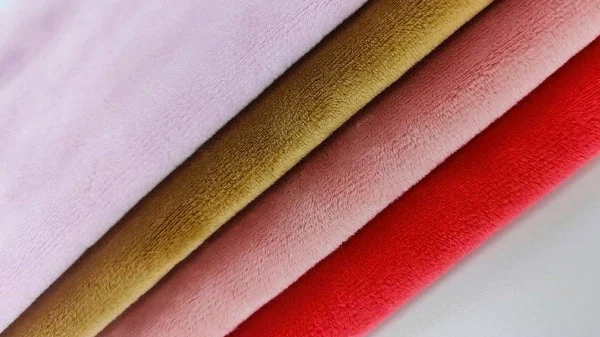
There are many different textile materials that can be used to manufacture stuffed toys and plush products. Each type has different characteristics and applications.
Some commonly used options include:
- Short-pile plush fabric
- Long-pile plush fabric
- Velboa
- Minky fabric
- Super-soft plush
- Fleece
- Velvet-style fabric
- Sherpa-style fabric
The most suitable option depends on the product design, intended application, target customer, budget, and production requirements.
1. Short-Pile Plush Fabric
Short-pile plush fabric has relatively short fibers and a smooth, even surface. It is one of the most versatile materials used for custom plush toy manufacturing.
Because the surface is relatively uniform, the product’s shapes, facial features, and decorative details can remain visually clear.
Applications of Short-Pile Plush Fabric
Short-pile plush can be suitable for:
- Custom teddy bears
- Character plush toys
- Mascot plush toys
- Promotional stuffed toys
- Small plush products
- Branded plush merchandise
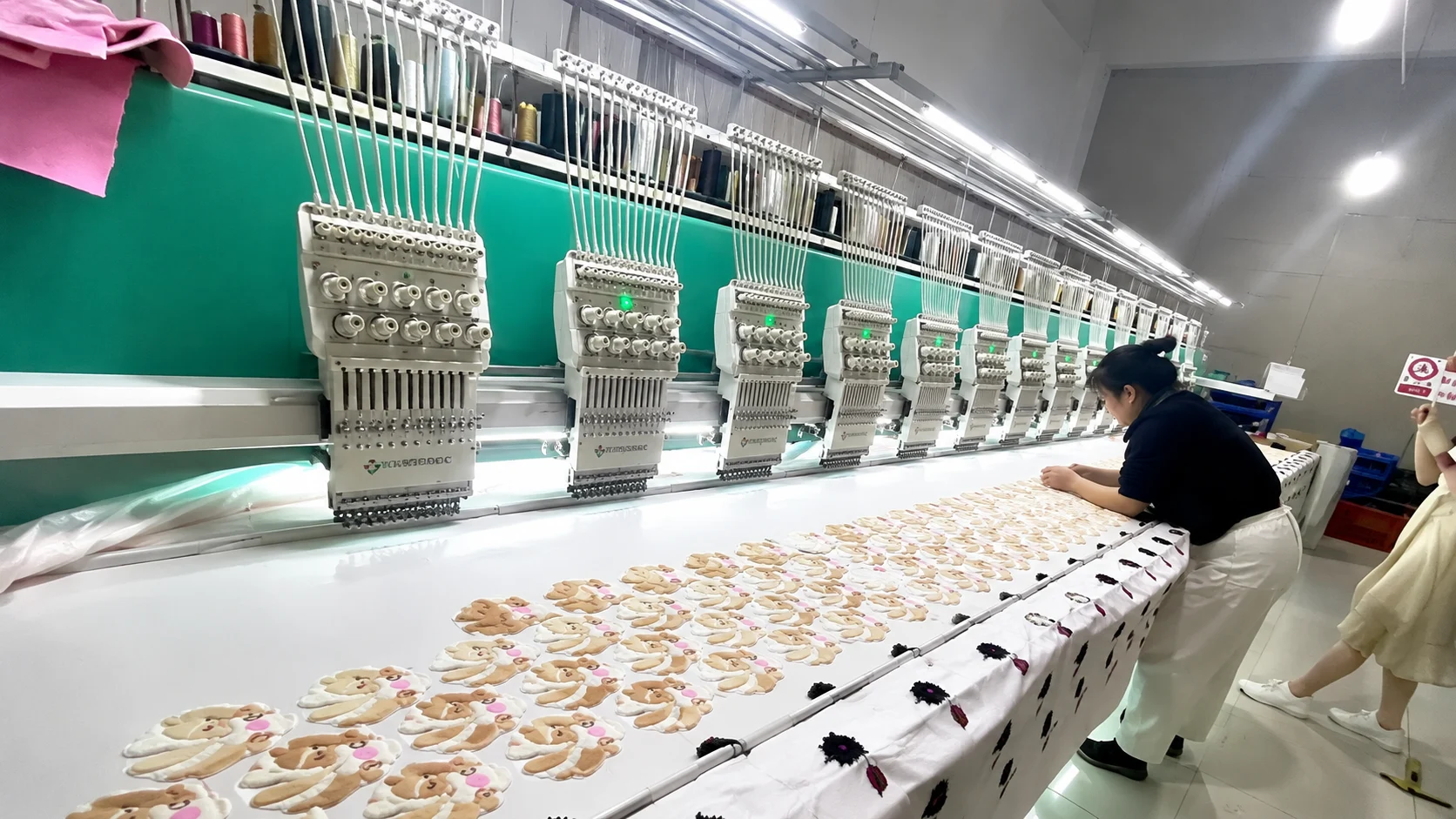
- Custom embroidered toys
This type of fabric can be particularly useful when the product contains detailed embroidery or branding.
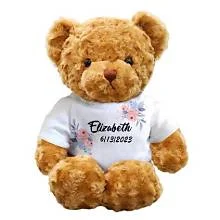
For example, if a company wants to manufacture a teddy bear with an embroidered logo on its chest, a short-pile material may help maintain a clean and recognizable logo appearance.
Short-pile fabric is also commonly considered for products that need a balance between softness, appearance, and production practicality.
2. Long-Pile Plush Fabric
Long-pile plush fabric has longer fibers that create a fluffy and furry appearance.
This material can produce a more luxurious or natural-looking texture, making it suitable for certain animal characters and oversized plush toys.
Applications of Long-Pile Plush Fabric
Long-pile plush can be used for:
- Fluffy teddy bears
- Animal plush toys
- Large stuffed animals
- Fantasy characters
- Decorative plush products
- Oversized promotional toys
The longer fibers can create a soft and attractive appearance.
However, long-pile fabric may not always be ideal for very small embroidered details because the surface can make fine designs less visually defined.
Therefore, businesses should consider the product’s branding requirements before choosing this material.
3. Velboa Fabric
Velboa is a short-pile fabric commonly used in stuffed toys and plush products. It generally has a smooth surface and can be produced in various colors and patterns.
One of its advantages is its versatility.
Applications of Velboa Fabric
Velboa can be suitable for:
- Custom stuffed animals
- Character plush toys
- Promotional products
- Animal toys
- Custom mascots
- Branded plush products
Because the surface is relatively short and even, Velboa can work well for designs that require visible facial features, logos, or other decorative elements.
For manufacturers producing large quantities of plush products, fabric availability and color consistency should also be considered.
4. Minky Fabric
Minky fabric is known for its smooth and soft texture. It is often associated with premium-feeling plush products and comfort-oriented items.
Its soft surface can make it attractive for products where tactile experience is an important selling point.
Applications of Minky Fabric
Minky-style materials can be suitable for:
- Premium teddy bears
- Baby-oriented products
- Comfort toys
- Soft stuffed animals
- Character plush toys
- High-quality promotional products
For brands that want to create a particularly soft and comfortable plush product, Minky fabric can be an option worth considering.
However, the final material should always be evaluated based on the specific product design and intended market.
5. Super-Soft Plush Fabric
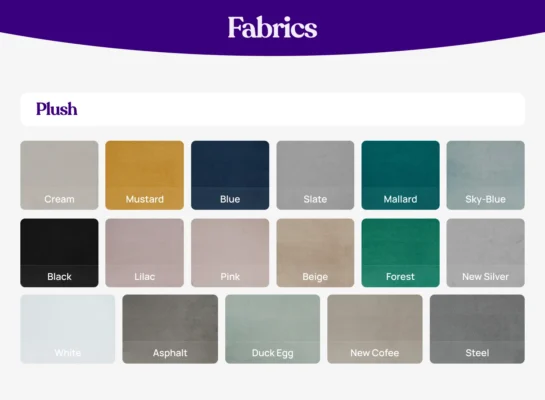
Super-soft plush fabrics are designed to provide a smooth, comfortable, and soft surface.
They are commonly considered when the tactile experience of the product is particularly important.
Applications of Super-Soft Plush
This type of material may be suitable for:
- Premium plush toys
- Teddy bears
- Gift products
- Comfort toys
- Children’s plush products
- Promotional merchandise
For example, a company creating a premium teddy bear as a corporate gift may choose a particularly soft material to make the product feel more luxurious.
Material selection should also take into account the required product specifications and destination market.
6. Fleece Fabric
Fleece is another soft textile material that can be incorporated into certain plush products.
Unlike traditional fluffy plush fabrics, fleece can provide a different surface appearance and may be useful for specific product components.
Applications of Fleece Fabric
Fleece can be used for:
- Plush toy clothing
- Character costumes
- Mascot components
- Scarves
- Jackets
- Seasonal products
- Accessories
For example, a custom teddy bear may use plush fabric for its body and fleece for a miniature jacket or scarf.
This combination of materials can create a more detailed and visually interesting product.
7. Velvet-Style Plush Fabric
Velvet-style materials have a smooth surface and can create an elegant, premium appearance.
They may be suitable for brands that want their plush products to have a more sophisticated visual identity.
Applications of Velvet-Style Fabric
Possible applications include:
- Premium teddy bears
- Luxury promotional products
- Decorative plush toys
- Limited-edition merchandise
- Fashion-themed plush products
This material can be particularly interesting for special collections where appearance and texture are important parts of the product concept.
8. Sherpa-Style Fabric
Sherpa-style fabric has a thick, textured, and fluffy appearance.
It can create a cozy and warm visual effect, making it particularly suitable for seasonal or comfort-focused products.
Applications of Sherpa-Style Fabric
Sherpa-style fabric may be used for:
- Winter-themed teddy bears
- Cozy plush toys
- Seasonal promotional products
- Animal characters
- Decorative stuffed toys
Because the surface is relatively thick and textured, it may not be the ideal option for products that require extremely small embroidery details.
How to Choose Plush Fabric Based on Product Type
One of the easiest ways to select a suitable material is to consider the type of product you want to manufacture.
For Custom Teddy Bears
Teddy bears can be manufactured using many different plush materials.
Short-pile plush is suitable for a clean and classic appearance, while long-pile fabric can create a fluffy teddy bear.
Minky-style or super-soft materials may be considered when softness is a major product feature.
The final decision depends on the desired appearance, target market, product size, and budget.
For Character Plush Toys
Character plush toys often have specific colors, facial features, and body shapes.
A fabric with a relatively even surface can make character details easier to reproduce.
If the character has fur, hair, or a fluffy appearance, longer-pile materials may be more appropriate.
A professional custom plush toy manufacturer can help determine which fabric is most suitable based on the original artwork.
For Custom Mascot Products
Mascot products often represent a company’s identity, so accurate reproduction is extremely important.
The fabric should support the character’s:
- Colors
- Shape
- Texture
- Facial details
- Branding
- Accessories
A smooth short-pile fabric may work well for cartoon-style mascots, while furry animal mascots may require longer-pile materials.
For Promotional Plush Toys
Promotional products need to balance appearance, customization, durability, and manufacturing cost.
If a company logo needs to be embroidered onto the product, the fabric should provide a suitable surface for embroidery.
For this reason, short-pile materials are often worth considering for branded promotional plush products.
How to Choose Plush Fabric for Embroidery
Embroidery is an important factor for businesses ordering customized plush toys.
Companies may want to add:
- Logos
- Names
- Slogans
- Symbols
- Character details
- Decorative patterns
The fabric surface can affect the final appearance of the embroidery.
Short-pile fabrics generally provide a more even surface, which can make detailed embroidery easier to see.
Long-pile materials can create a softer and fluffier appearance, but small embroidered elements may become less defined.
Before bulk production, it is recommended to test the embroidery on the selected fabric.
A professional custom teddy bear manufacturer can help evaluate the logo size, embroidery position, thread colors, and fabric compatibility.
How to Choose Plush Fabric Based on Product Size
Product size should also be considered.
For small plush toys, very long or thick fibers may make the character’s details less visible.
Shorter fabrics can help maintain clear shapes and facial features.
For larger plush toys, longer-pile fabrics can create a more impressive fluffy appearance.
For example:
Small promotional teddy bear: Short-pile plush may be suitable.
Medium branded teddy bear: Short-pile or soft plush can provide a balance between appearance and branding.
Large fluffy animal: Long-pile plush may create a more realistic appearance.
The manufacturer can recommend suitable materials after reviewing the product dimensions and design.
How to Choose Plush Fabric Based on Cost
Cost is another important factor for international buyers.
Different fabrics have different manufacturing and material costs. The price may depend on factors such as material quality, composition, texture, availability, and required quantity.
For wholesale production, material selection can have a significant impact on the overall product cost.
However, selecting the cheapest fabric is not always the best strategy.
Businesses should consider the balance between:
- Quality
- Appearance
- Softness
- Durability
- Branding
- Production requirements
- Target price
If a particular fabric is outside the desired budget, a manufacturer may be able to suggest an alternative material with similar characteristics.
How to Choose Plush Fabric for Wholesale Orders
Wholesale and international buyers should pay particular attention to fabric consistency.
When producing hundreds or thousands of plush toys, the manufacturer needs to source sufficient quantities of the same material.
The fabric should maintain consistent:
- Color
- Texture
- Thickness
- Softness
- Appearance
A sample should ideally be approved before bulk production begins.
This gives the manufacturer a clear reference for the final production batch.
For international buyers working with a plush toy manufacturer Vietnam, confirming fabric specifications before production can help minimize differences between the approved sample and the final order.
How to Choose Plush Fabric for International Export
International customers may have specific requirements related to product quality, packaging, labeling, and intended use.
When requesting a quotation, buyers should provide as much information as possible.
Useful details include:
- Product design
- Product dimensions
- Estimated quantity
- Preferred fabric
- Desired color
- Embroidery requirements
- Intended application
- Packaging requirements
- Destination market
If the customer is unsure which material to choose, the manufacturer can recommend suitable options.
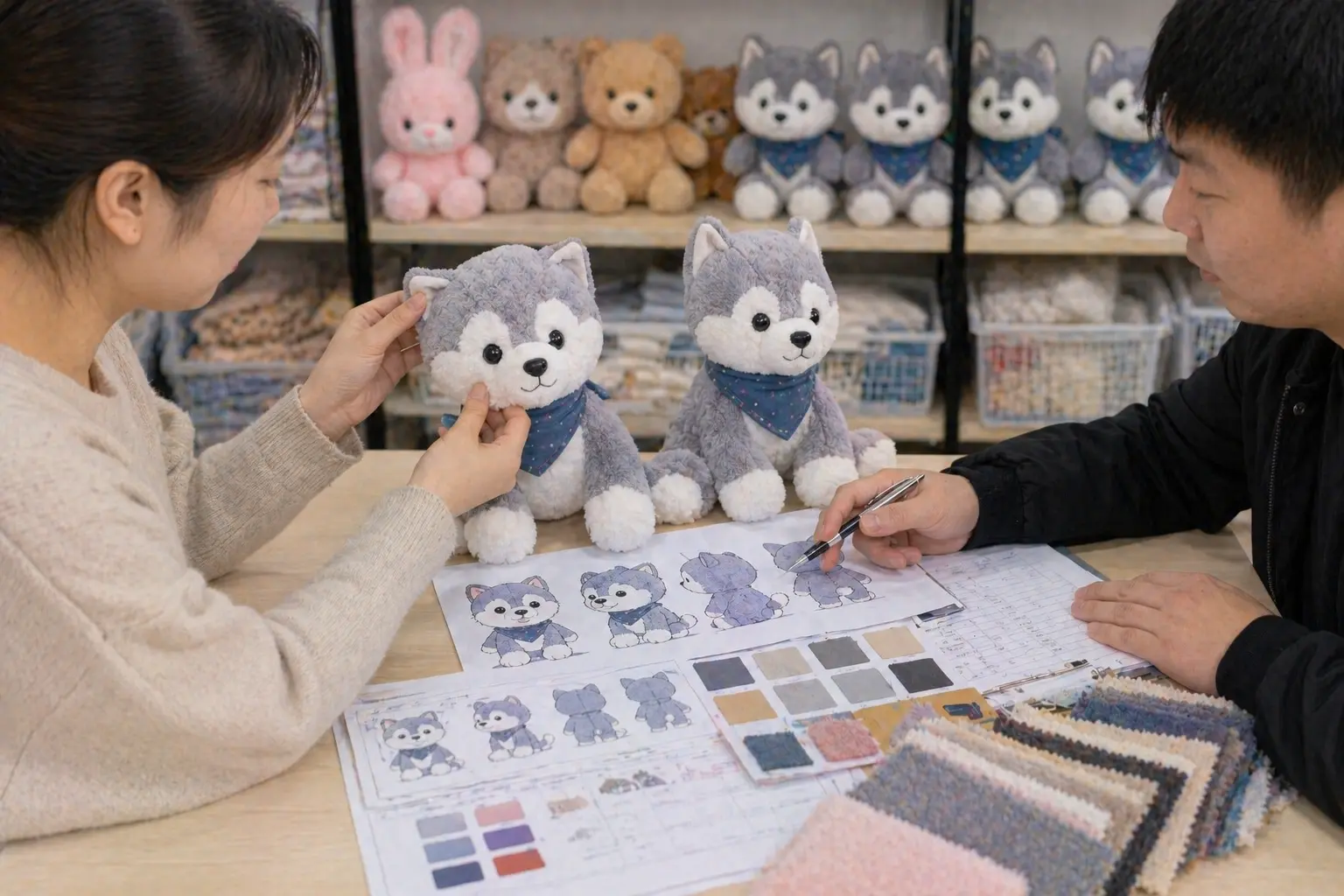
For large orders, requesting physical fabric samples can also be useful because photographs may not accurately represent the actual texture and softness.
Why Fabric Samples Matter
Digital images are useful for comparing colors and general appearances, but they cannot always communicate the actual feel of a fabric.
A physical sample allows customers to evaluate:
- Softness
- Thickness
- Texture
- Pile length
- Color
- Surface appearance
For international buyers, fabric sampling can be particularly valuable before approving a large production order.
Once the customer approves the fabric and product sample, the manufacturer can use the approved specification as a reference for mass production.
Fabric Color and Brand Identity
Color is particularly important for promotional and branded plush toys.
A company’s teddy bear may need to match its corporate colors or character design.
When selecting fabric colors, businesses should consider:
- Brand guidelines
- Character artwork
- Target market
- Product application
- Available fabric colors
- Production consistency
If exact color matching is important, customers should discuss the requirements with the manufacturer during the sample development stage.
This is especially important for international brands that need consistent visual identity across different promotional products.
How Manufacturers Use Different Fabrics Together
A custom plush product does not always need to use only one fabric.
Different materials can be combined to create unique textures and visual effects.
For example:
- Plush fabric for the body
- Short-pile fabric for the face
- Fleece for clothing
- Velvet-style material for accessories
- Long-pile fabric for hair or fur
Combining fabrics can make a character more visually interesting and help reproduce complex designs.
However, using multiple materials can also increase production complexity and cost.
The manufacturer should therefore evaluate the complete design before finalizing the material combination.
Fabric Selection for Custom Promotional Products
Businesses ordering promotional plush toys should consider both appearance and practicality.
A promotional teddy bear should represent the brand clearly while remaining attractive and durable.
For example, a company may request a teddy bear featuring:
- A branded T-shirt
- Embroidered company logo
- Corporate colors
- Custom packaging
- Hang tag
In this situation, choosing a fabric with a suitable surface for embroidery and a texture that matches the brand’s desired image is important.
A professional manufacturer can help coordinate these different requirements.
Why Choose a Professional Plush Toy Manufacturer?
Selecting the right fabric becomes much easier when working with an experienced manufacturing partner.
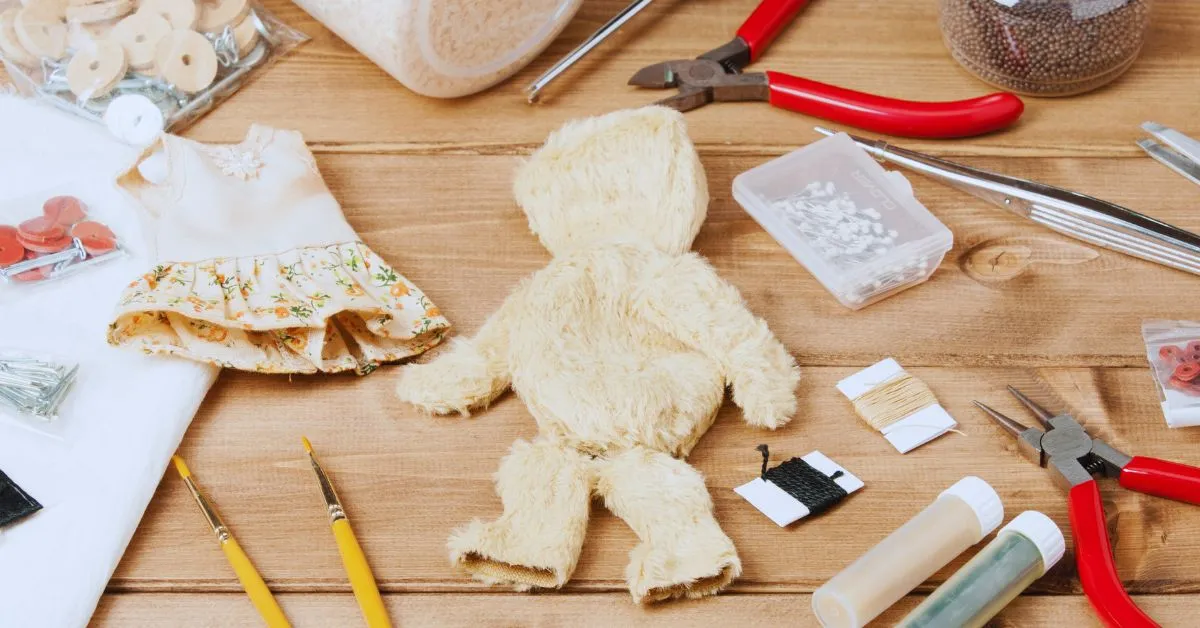
A professional manufacturer can support the entire production process, including:
- Product design review
- Material selection
- Pattern development
- Fabric cutting
- Embroidery
- Sewing
- Stuffing
- Assembly
- Quality control
- Packaging
- Bulk production
- Export preparation
For international buyers, this integrated service can simplify communication and reduce the number of suppliers involved in the project.
A reliable manufacturer can also recommend material alternatives when a specific fabric is unavailable or does not meet the desired budget.
Custom Plush Fabric Solutions for International Buyers
Our factory provides customized plush manufacturing services for businesses, brands, retailers, distributors, promotional agencies, and international buyers.
We can develop products using different fabric types depending on the customer’s design and application.
Our capabilities can include:
- Custom teddy bears
- Custom plush toys
- Character plush toys
- Mascot plush products
- Promotional plush toys
- Embroidered plush products
- Custom stuffed animals
- OEM plush manufacturing
- ODM plush manufacturing
- Wholesale plush production
Customers can provide their own artwork, reference images, dimensions, logos, and material preferences.
Our production team can then review the requirements and recommend suitable manufacturing solutions.
Conclusion
Understanding How to Choose Plush Fabric: Types, Images, and Applications can help businesses make better decisions when developing custom plush toys.
Different materials provide different levels of softness, texture, appearance, durability, and production suitability. Short-pile plush is a versatile option for many products, while long-pile fabric can create a fluffy appearance. Minky and super-soft fabrics can provide a premium tactile experience, while fleece, velvet-style, and Sherpa-style materials may be suitable for specific designs and applications.
The best fabric ultimately depends on the product design, size, intended application, branding requirements, production quantity, and target price.
For international buyers, discussing fabric selection with an experienced plush toy manufacturer Vietnam can help ensure that the material meets the product’s requirements before bulk production begins.
If you are developing custom teddy bears, mascot plush toys, promotional stuffed products, or other customized plush merchandise, send your design, size, quantity, and preferred material to our factory. Our team can help you select suitable fabric options and develop a product for your brand or international market.