How to Choose a Reliable Custom Stuffed Toy Manufacturer
Choosing the right custom stuffed toy manufacturer is an important decision for brands, retailers, wholesalers, promotional agencies, distributors, and international buyers. A reliable manufacturing partner can have a significant impact on product quality, production consistency, delivery schedules, customization, and overall business costs.
Whether you are developing custom teddy bears, promotional plush toys, character stuffed animals, mascots, or other soft products, selecting the right factory should be part of your product development strategy from the beginning.
Many suppliers can offer custom plush products, but not every supplier provides the same level of manufacturing capability, quality control, customization, or export support. Before placing a wholesale order, businesses should evaluate the factory carefully and make sure it can meet their specific requirements.
This guide explains How to Choose a Reliable Custom Stuffed Toy Manufacturer and the key factors international buyers should consider before starting a manufacturing partnership.
Why Choosing the Right Custom Stuffed Toy Manufacturer Matters
A custom stuffed toy is different from a standard product purchased from a catalog.
When ordering a customized product, the manufacturer needs to understand and reproduce specific requirements, including:
- Product shape
- Size
- Fabric
- Colors
- Embroidery
- Logo
- Accessories
- Clothing
- Stuffing
- Packaging
- Product labels
A small difference in any of these elements can affect the appearance of the final product.
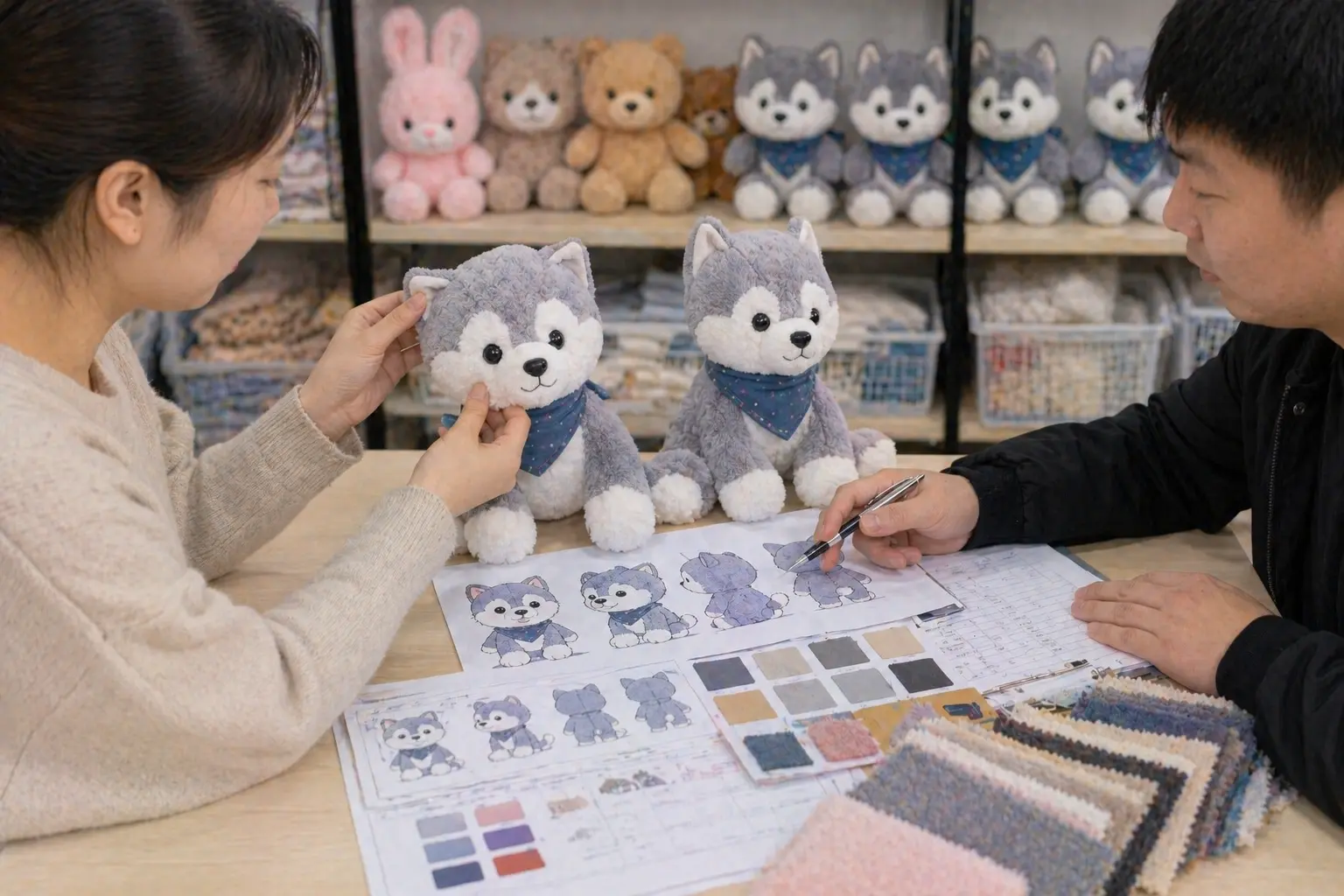
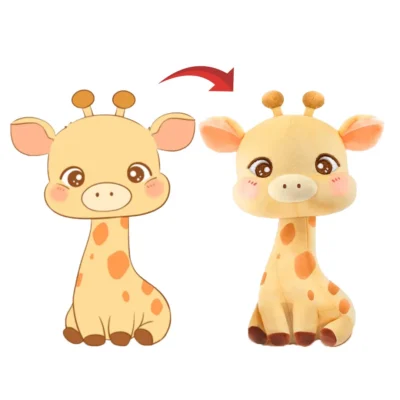
For example, a company may provide a character illustration and expect the factory to reproduce the character accurately. If the manufacturer does not have sufficient experience with custom plush production, the finished product may not match the original design.
A reliable custom stuffed toy manufacturer should therefore be able to communicate clearly, develop samples, manage production, and maintain consistent quality throughout the order.
1. Check the Manufacturer’s Production Experience
One of the first things to evaluate is the manufacturer’s experience.
A factory with experience producing customized plush products is more likely to understand the challenges involved in turning a digital design into a physical stuffed toy.
Ask whether the manufacturer has experience producing:
- Custom teddy bears
- Character plush toys
- Animal stuffed toys
- Promotional plush products
- Mascot products
- Branded stuffed toys
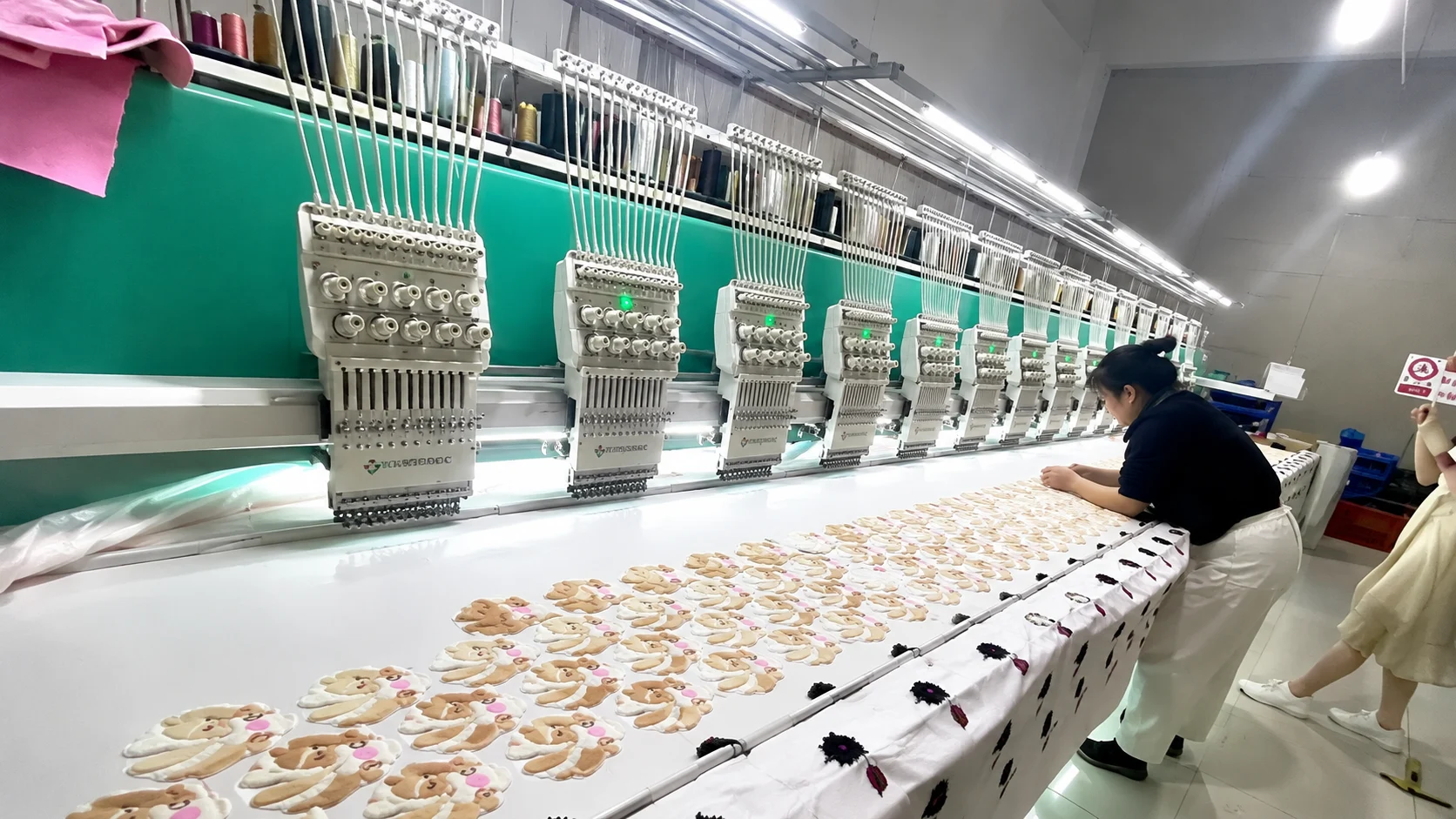
- Embroidered plush toys
- OEM plush products
- ODM plush products
Experience is particularly important for complex designs that contain multiple colors, unusual shapes, embroidery, clothing, or accessories.
An experienced custom stuffed toy manufacturer can often identify potential production problems before manufacturing begins.
2. Review Previous Custom Plush Toy Projects
A manufacturer’s portfolio can provide useful information about its capabilities.
Before choosing a factory, international buyers should review examples of previous products.
Look for projects that demonstrate:
- Different product sizes
- Different fabric types
- Detailed embroidery
- Custom shapes
- Character reproduction
- Branded designs
- Custom clothing
- Special accessories
- Large-volume production
A portfolio does not guarantee future results, but it can help buyers understand whether the factory has experience with products similar to their own.
If you are developing a highly customized teddy bear, for example, it is useful to find a custom teddy bear manufacturer that has already produced similar products.
3. Evaluate the Factory’s Customization Capabilities
Customization is one of the most important factors when choosing a manufacturer.
A reliable factory should be able to work with customer specifications instead of offering only standard products.
Depending on the factory, customization may include:
Size
Customers can request different product dimensions depending on the intended application.
Shape
The manufacturer can develop patterns based on the customer’s artwork or reference design.
Fabric
Different plush fabrics can be selected according to the desired softness, texture, and appearance.
Colors
The product can be manufactured according to the customer’s preferred color scheme.
Embroidery
Logos, names, facial features, and other details can be embroidered onto the product.
Clothing
T-shirts, jackets, hats, scarves, uniforms, and other clothing can be customized.
Accessories
Additional decorative or functional components can be incorporated into the design.
Packaging
Customers can request customized bags, boxes, tags, labels, and other packaging options.
Before choosing a custom stuffed toy manufacturer, make sure the factory can provide the specific customization options your project requires.
4. Ask About Material Options
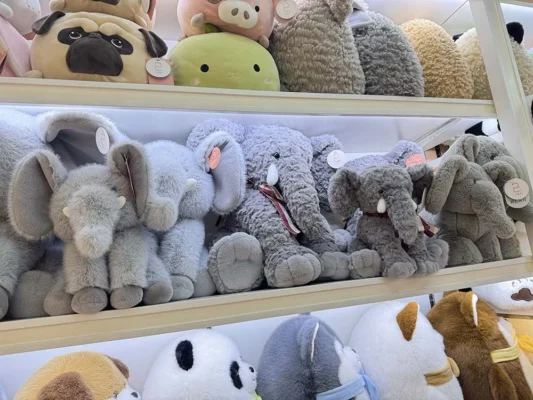
Materials have a major influence on the appearance and feel of a stuffed toy.
Different products may require different fabrics.
Common options include:
- Short-pile plush
- Long-pile plush
- Velboa
- Minky-style fabric
- Super-soft plush
- Fleece
- Velvet-style materials
- Other specialty textiles
The best fabric depends on the product design and intended application.
For example, short-pile fabric may be suitable for products with detailed embroidery, while long-pile materials can create a fluffy appearance.
A professional manufacturer should be able to explain the advantages and limitations of different material options.
For international buyers, it can also be useful to request fabric samples before approving the final product.
5. Ask for a Product Sample
A sample is one of the most important steps in custom manufacturing.
Before placing a large wholesale order, buyers should consider requesting a prototype or pre-production sample.
The sample allows you to evaluate:
- Size
- Shape
- Fabric
- Color
- Embroidery
- Stitching
- Stuffing
- Accessories
- Clothing
- Overall appearance
A sample can also reveal problems that are difficult to identify from a digital design.
For example, the embroidery may appear too small, the fabric may feel different from what you expected, or the product may need additional stuffing.
A professional custom stuffed toy manufacturer should be able to make adjustments based on customer feedback before mass production begins.
6. Evaluate Quality Control
Quality control is essential when producing custom stuffed toys in bulk.
A factory should have processes for checking products during different production stages.
Quality control may include:
Fabric Inspection
Checking fabric quality, color, texture, and visible defects.
Sewing Inspection
Checking seams, stitching, thread, and construction.
Embroidery Inspection
Checking logo placement, thread colors, stitch quality, and design accuracy.
Stuffing Inspection
Checking whether the filling is distributed consistently.
Final Product Inspection
Comparing finished products with the approved sample and specifications.
For wholesale orders, quality consistency is particularly important.
If you order 1,000 or 10,000 units, every product should maintain the same basic specifications.
7. Check Production Capacity
Production capacity is another important consideration.
A small order and a large international wholesale order may require very different production capabilities.
Before placing an order, ask the manufacturer about:
- Minimum order quantity
- Monthly production capacity
- Current production schedule
- Lead time
- Material availability
- Sample production time
- Bulk production time
A factory may produce excellent samples but struggle to maintain quality when handling large quantities.
Therefore, international buyers should choose a manufacturer whose production capacity matches their expected order volume.
A reliable custom stuffed toy manufacturer should also communicate realistic production schedules instead of promising unrealistic delivery dates.
8. Consider Minimum Order Quantity
Minimum order quantity, or MOQ, is an important factor for wholesalers and businesses.
Different manufacturers may have different MOQs depending on:
- Product complexity
- Materials
- Customization
- Production process
- Packaging
- Order quantity
If you are testing a new product, you may want to start with a smaller quantity.
If you are preparing a major retail launch, you may require thousands of units.
Discuss your expected quantity with the manufacturer before finalizing the project.
This can help determine whether the factory is suitable for your business model.
9. Evaluate Communication
Good communication can make the manufacturing process much easier.
International buyers often work with factories across different time zones and languages.
A reliable manufacturer should be able to communicate clearly about:
- Product specifications
- Materials
- Pricing
- Samples
- Production schedules
- Packaging
- Shipping
- Quality issues
When discussing a custom project, the manufacturer should ask questions rather than simply accepting incomplete information.
For example, if a customer provides a character image without specifying dimensions, a professional factory should clarify the required size before preparing a quotation.
Clear communication can reduce misunderstandings and unnecessary revisions.
10. Check the Manufacturer’s Sampling Process
A good sampling process can significantly improve the final product.
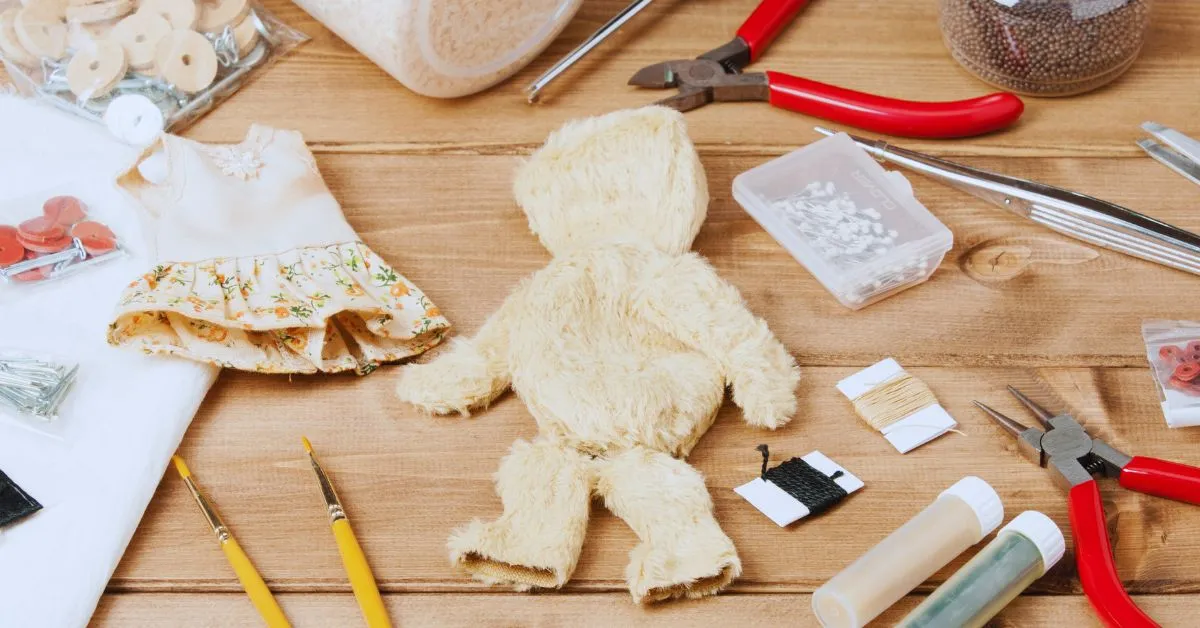
A typical process may involve:
Design → Pattern → Prototype → Customer Feedback → Revision → Final Sample → Bulk Production
The first sample may not always be perfect.
Customers may request changes to:
- Face shape
- Fabric
- Colors
- Size
- Embroidery
- Accessories
- Stuffing
The manufacturer should be able to make reasonable adjustments before the final sample is approved.
This is particularly important for character products where small design differences can affect the overall appearance.
11. Evaluate Embroidery and Branding Capabilities
Many businesses order custom stuffed toys specifically for promotional or branding purposes.
The manufacturer should therefore have suitable capabilities for adding:
- Company logos
- Brand names
- Slogans
- Character details
- Symbols
- Custom labels
Embroidery quality is particularly important for corporate promotional products.
The manufacturer should consider the logo’s size, position, thread colors, and the fabric surface.
If the logo contains very small details, the factory may recommend adjusting the artwork to achieve better embroidery results.
12. Check Packaging Options
Packaging is important for both retail and promotional products.
A custom stuffed toy manufacturer may offer packaging options such as:
- Individual bags
- Custom printed bags
- Gift boxes
- Retail packaging
- Hang tags
- Woven labels
- Brand cards
- Bulk cartons
For international shipping, packaging should also provide appropriate protection during transportation.
If you sell the product through retail stores or e-commerce platforms, you may need packaging that is ready for direct sale.
Discuss packaging requirements with the manufacturer before production begins.
13. Ask About Export Experience
For international buyers, manufacturing experience alone may not be enough.
The factory should ideally understand the requirements of export orders.
Ask whether the manufacturer has experience shipping products to international markets such as:
- United States
- Canada
- United Kingdom
- European countries
- Australia
- Southeast Asia
- Other international destinations
Export experience can help with communication regarding packaging, documentation, shipping arrangements, and product specifications.
If you are sourcing from Vietnam, working with an experienced plush toy manufacturer Vietnam can make the production and export process more convenient.
14. Compare Pricing Carefully
Price is an important factor, but it should not be the only factor.
Two manufacturers may provide very different quotations for what appears to be the same product.
The difference may come from:
- Fabric quality
- Stuffing
- Embroidery
- Construction
- Packaging
- Labor
- Quality control
- Production quantity
Instead of choosing the cheapest quotation immediately, compare the complete specifications.
A lower price may not be beneficial if the finished product does not meet your quality expectations.
The goal should be to find the best balance between quality, customization, production capacity, and price.
15. Understand Lead Times
Lead time is particularly important for businesses with fixed launch dates.
Your total production timeline may include:
- Design review
- Quotation
- Sample development
- Sample revision
- Sample approval
- Material sourcing
- Bulk production
- Quality inspection
- Packaging
- Shipping
Ask the manufacturer to provide a realistic estimated timeline.
Avoid relying on extremely short production promises without understanding what is included in the lead time.
For international orders, shipping time should also be considered separately from manufacturing time.
16. Check Quality Consistency for Bulk Orders
A sample can look excellent, but the real test is whether the manufacturer can reproduce the same quality in large quantities.
This is why buyers should ask about bulk production quality control.
Important factors include:
- Consistent dimensions
- Consistent colors
- Consistent embroidery
- Consistent stuffing
- Consistent stitching
- Consistent accessories
- Consistent packaging
For a large order, even a small difference between individual products can become a significant problem.
A reliable custom stuffed toy manufacturer should have production procedures designed to maintain consistency.
17. Consider Product Safety Requirements
If your stuffed toy is intended for children, safety requirements should be considered from the beginning.
Depending on the target market and product category, requirements may involve:
- Materials
- Small parts
- Stitching
- Stuffing
- Flammability
- Chemicals
- Labels
- Age grading
- Testing
The exact requirements depend on the destination market.
International buyers should clearly communicate the intended market and age group to the manufacturer.
This allows the production team to understand which specifications need to be considered.
18. Evaluate the Manufacturer’s Product Range
A factory with a broad range of plush manufacturing capabilities can be useful if your business plans to develop multiple products.
For example, you may initially order teddy bears and later develop:
- Mascot plush toys
- Animal plush toys
- Keychain plushies
- Promotional products
- Character toys
- Custom pillows
Working with one experienced manufacturer can simplify supplier management and communication.
However, the most important factor is still whether the factory has the right capabilities for your specific product.
19. Look for OEM and ODM Services
OEM and ODM services can provide additional flexibility.
With OEM manufacturing, the buyer typically provides the product design and specifications, while the factory handles production.
ODM services may include additional design and product development support.
These services can be useful for:
- Startups
- Brands
- Retailers
- Promotional agencies
- Distributors
- International wholesalers
If you do not have a complete product design, an ODM-capable manufacturer may be able to help develop the concept.
20. Choose a Manufacturer That Can Grow With Your Business
A good manufacturing relationship should be able to support your business as it grows.
You may start with a small order and later require much larger quantities.
Your product range may also expand.
Therefore, consider whether the manufacturer can support:
- Small initial orders
- Larger wholesale orders
- New product designs
- Multiple SKUs
- Custom packaging
- International export
- Long-term production
Choosing a factory that can grow with your business can make future product development easier.
How to Choose a Reliable Custom Stuffed Toy Manufacturer: A Simple Checklist
Before making your final decision, review the following checklist:
Manufacturing
- Does the factory have experience with custom plush products?
- Can it handle your expected quantity?
- Does it have suitable production equipment?
Customization
- Can it reproduce your design accurately?
- Can it customize fabric, size, color, embroidery, clothing, and accessories?
Quality
- Does it have a quality control process?
- Can it provide a physical sample?
- Can it maintain consistency during bulk production?
Communication
- Does the team respond clearly and professionally?
- Can they understand your specifications?
Export
- Does the manufacturer have experience with international orders?
- Can it support export packaging and related requirements?
Commercial Terms
- Is the MOQ suitable?
- Is the quotation transparent?
- Is the lead time realistic?
A manufacturer that meets these criteria is more likely to be a suitable long-term production partner.
Why Choose Our Custom Stuffed Toy Manufacturing Service?
Our factory provides custom plush manufacturing solutions for brands, retailers, wholesalers, promotional agencies, distributors, and international buyers.
We can support customized production for:
- Teddy bears
- Stuffed animals
- Character plush toys
- Mascot plush toys
- Promotional plush products
- Embroidered plush toys
- Branded stuffed toys
- Custom pillows
- OEM plush products
- ODM plush products
Our production process can include design review, material selection, pattern development, sampling, embroidery, sewing, stuffing, quality control, packaging, and bulk production.
Customers can provide their own artwork, reference images, product dimensions, logos, preferred materials, and packaging requirements.
Our team can then review the project and recommend suitable manufacturing solutions based on the intended application and order quantity.
For international buyers, we can also discuss export-oriented production requirements and packaging specifications.
Conclusion
Learning How to Choose a Reliable Custom Stuffed Toy Manufacturer can help businesses avoid common sourcing problems and build a more reliable supply chain.
The right manufacturer should offer more than competitive pricing. Buyers should evaluate manufacturing experience, customization capabilities, material options, sampling, quality control, production capacity, communication, packaging, export experience, safety considerations, and lead times.
A reliable custom stuffed toy manufacturer should be able to transform your concept into a consistent finished product while maintaining the specifications approved during the sampling stage.
Whether you are developing custom teddy bears, promotional plush toys, character merchandise, mascot products, or other stuffed products, choosing the right factory is an important step toward creating a successful product.
If you are looking for a manufacturing partner for wholesale or international orders, send your design, preferred size, estimated quantity, customization requirements, and destination market. Our team can review your project and discuss suitable production solutions.