
1. Executive Summary & Manufacturing Ecosystem
The global plush toy market has evolved from simple promotional items to highly regulated, complex stuffed merchandise, corporate mascots, and high-margin IP licensing products. Selecting a qualified Top Vietnam Wholesale Plush Manufacturer requires analyzing supply chain infrastructure, material compliance, prototyping speeds, and scalable manufacturing capabilities.
Vietnam continues to lead global plush manufacturing due to its comprehensive textile ecosystem, raw material cluster integration, and advanced skill sets in pattern engineering. Modern plush factories combine 3D digital rendering, computer-guided laser cutting, automated cotton stuffing, and meticulous hand-stitching to deliver high-quality plush toys that strictly adhere to international safety directives including ASTM F963 (USA), EN71 Parts 1, 2, 3 (EU), and ISO 8124.
Direct Factory OEM/ODM
Eliminate middleman margins. Direct production control enables custom design modifications, proprietary mold creation, and full material transparency from yarn spinning to final polybag sealing.
Global Safety Audits
Operating under strict compliance guidelines certified by BSCI, ICTI (IETP), ISO9001, and Disney FAMA audits. Every batch undergoes metal detection down to 1.0mm ferrous spheres.
Rapid Prototyping
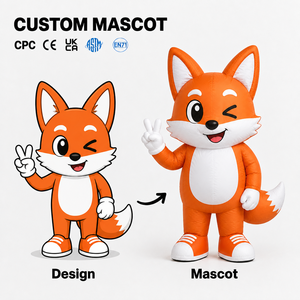
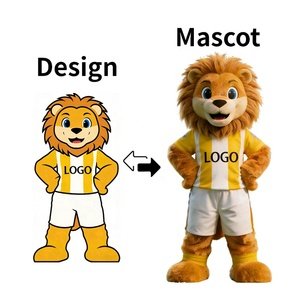
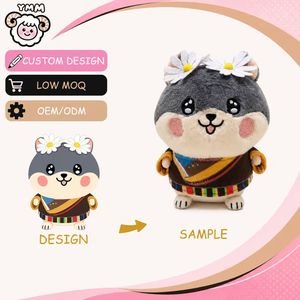
Master pattern makers convert 2D character sheets, vector artworks, or physical sketches into 3D plush samples within 5 to 7 working days, optimizing time-to-market for enterprise clients.
2. Engineering & Material Standards in Custom Plush Manufacturing
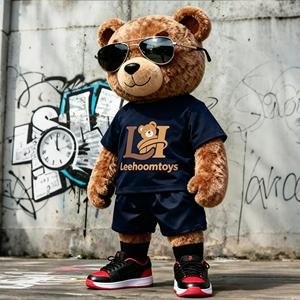
Quality plush manufacturing relies on choosing the appropriate outer fabric and internal filler based on target age group, usage scenario, and safety guidelines. High-end retail plush toys require specific tactile characteristics, anti-pilling attributes, and high tensile seam strength.
Outer Fabric Engineering
- Crystal Super Soft (Velboa / Minky): Gram weight ranging from 220 GSM to 380 GSM. Features ultra-fine polyester fibers that provide a soft tactile feel, high color fastness (Grade 4+), and minimal shedding under stress.
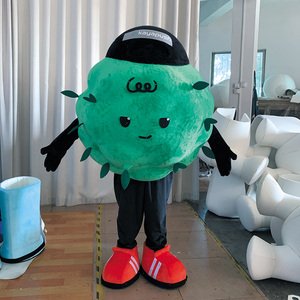
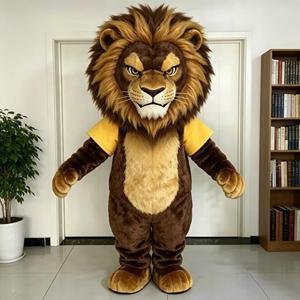
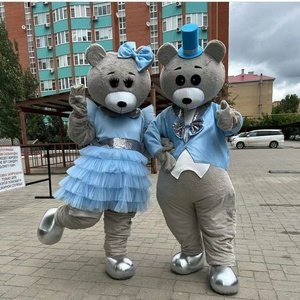
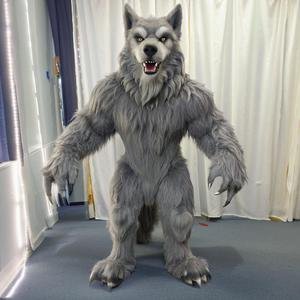
- Faux Fur & Long Pile Plush: Pile lengths from 10mm up to 60mm. Frequently utilized for detailed animal replicas, wolves, lions, and mascot costumes. Requires specialized shearing and combing processes.
- RPET Eco-Friendly Fabric: Produced 100% from recycled post-consumer plastic bottles (PET). Certified under the Global Recycled Standard (GRS), reducing environmental footprint while meeting EU eco-directives.
- Custom Embroidered & Printed Textiles: Utilizing high-density computerized embroidery machines (Tajima/Barudan) with up to 12 thread color variations per badge, and digital sublimation for complex gradients.
Internal Fillers & Structural Materials
The interior filler dictates shape retention, resilience, and weight distribution. Standard fill options include 100% Virgin 7D/15D Three-Dimensional Conjugate Hollow Polyester PP Cotton, offering high elasticity and recovery rates. For weighted plush, food-grade PE/PP plastic pellets or non-toxic glass beads sealed within double-stitched interior bags are integrated to provide ergonomic ballast.
| Material Type | Standard Weight / Specification | Primary B2B Application | Compliance Standards |
|---|---|---|---|
| Crystal Super Soft Velvet | 280 – 350 GSM / Short Pile | Retail Toys, Corporate Mascots | EN71-1, ASTM F963, REACH |
| RPET Recycled Polyester | GRS Certified / 100% Post-Consumer | Eco-Branded Merchandise, ESG Kits | GRS 4.0, OEKO-TEX Standard 100 |
| Virgin 7D PP Cotton | High-Elasticity Hollow Conjugate | Internal Stuffing (All Plush Types) | Non-allergenic, Flammability Class 1 |
| EVA Foam & Bubble Carving | High Density 35D – 50D Shore | 3D Mascot Costumes, Structure Suits | RoHS, Phthalate Free, Heavy Metal Free |
3. The 8-Step OEM/ODM Production & Quality Control Protocol
Achieving zero-defect mass production in custom plush manufacturing requires structured quality assurance throughout every step of production. Our partner manufacturing lines operate under strict quality management processes:
- Design & 3D Pattern Engineering: Converting client design briefs (2D vector or AI artwork) into precise paper patterns using CAD plush modeling software.
- Pre-Production Sample Approval: Producing master reference samples for physical inspection, seam tension testing, pull-force verification, and color matching.
- Precision Fabric Cutting: Automated CNC laser cutting tables ensure pattern piece accuracy within ±0.5mm tolerance, preventing fabric fraying and alignment errors.
- Computerized Sewing & Detailing: Combining multi-needle automatic embroidery machines with specialized plush sewing operators to join complex curved components.
- Automated Mechanical Stuffing: Utilizing pneumatic fiber blower equipment to achieve consistent filling density across all product sections.
- Manual Stitching & Finishing: Skilled seamstresses execute invisible ladder stitching to seal entry seams, followed by facial detailing and fur combing.
- Dual Metal Detection Protocol: Passing 100% of finished goods through high-sensitivity conveyor metal detectors calibrated to detect ferrous particles down to 1.0mm.
- Vacuum Compression & Export Packaging: Heavy-duty vacuum sealing reduces shipping volume by up to 60%, protected within 5-ply corrugated export cartons.
4. Industry Trends: Smart Tech Integration & Sustainable Sourcing (2025–2030)
The global wholesale plush industry is undergoing technological and structural changes. Buyers and brand managers should align their procurement strategies with these core industry shifts:
A. Circular Economy & Zero-Carbon Plush Manufacturing
Global brands are prioritizing products with clear sustainability credentials. Sourcing plush made from recycled plastics, organic cotton outer shells, and biodegradable fill fibers is becoming standard practice. Leading manufacturers now provide full supply chain traceability, validating recycled origins through GRS certification.
B. Interactive Smart Plush & Wearable Mascots
Integrating electronics into plush merchandise is growing rapidly. From embedded NFC chips for digital authentication to Bluetooth speaker modules, LED lighting arrays, and pneumatic blowers for wearable inflatable costumes, manufacturers must maintain dual expertise in soft textiles and low-voltage hardware integration.
C. Low MOQ Pilot Runs & Agile Supply Chains
E-commerce brands and crowdfunding creators require lower minimum order quantities (starting at 500 units) to test consumer markets before committing to mass production. Top-tier Vietnamese manufacturers are adapting by creating modular sewing lines designed for fast changeovers and short setup times.
5. Comprehensive B2B Plush Sourcing FAQ
Our standard B2B production focus starts at 500 pieces per custom design. For complex custom mascot costumes or oversized plush display units, lower quantities (50-100 units) can be accommodated. Custom fabric dye lots for specialized Pantone colors typically require an MOQ of 1,000 to 2,000 pieces depending on fabric specifications.
All plush products are manufactured to meet or exceed destination market regulations. We provide testing support through accredited third-party laboratories (SGS, TUV, Intertek, ITS) for EN71 Parts 1/2/3 (Europe), ASTM F963 / CPSIA (United States), CCPSA (Canada), and AS/NZS ISO 8124 (Australia). Facilities hold valid BSCI, ICTI (IETP), and ISO9001 audits.
Initial sample creation from a 2D drawing or concept brief takes approximately 5 to 7 working days. Once the physical sample arrives at your office, revisions can be executed within 3 to 5 days. Mass production lead time is typically 25 to 35 days after final sample approval and deposit confirmation.
We enforce strict IP protection policies. Non-Disclosure Agreements (NDAs) are executed prior to reviewing client artwork or design briefs. All custom molds, embroidery digitizing files, and cutting patterns remain the exclusive property of the client and are never resold or used for third-party production.
We support all standard international shipping terms including FOB (Shenzhen/Ningbo/Shanghai), CIF, DAP, and full DDP (Delivered Duty Paid) door-to-door services by ocean freight, air express (DHL/FedEx/UPS), or rail transport. Vacuum packing techniques are applied to optimize container loading and lower sea freight charges.
6. Strategic Procurement Roadmap: Navigating Total Cost of Ownership
When selecting a plush manufacturer, buyers should look beyond initial unit cost and evaluate the Total Cost of Ownership (TCO). Unusually low unit quotes can mask risks like lightweight fill materials, weak seam stitching, non-compliant dyes, or missed shipping deadlines.
By partnering with an established OEM/ODM factory, enterprise buyers secure predictable lead times, transparent material documentation, and dedicated engineering support—ensuring brand integrity and customer safety across every product batch.
Ready to Develop Your Custom Plush Line?
Consult with our engineering and production team today. Receive instant DDP pricing, physical sample evaluations, and technical manufacturing recommendations tailored to your budget.